Professional painting advice and contractor vetting tips from Swift Painting LLC.
Key Takeaways
Thorough surface preparation is essential before painting in South Louisiana.
Always verify licensing, workers comp, and general liability insurance before hiring.
Consult with Swift Painting LLC for expert Sherwin-Williams color matching.
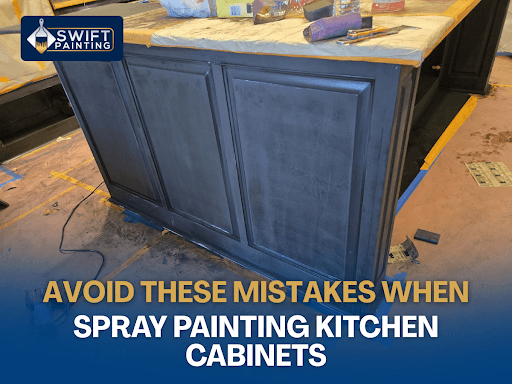
Avoid These Mistakes When Spray Painting Kitchen Cabinets
A kitchen can feel like the heartbeat of a home. When it looks dull, everything feels a little off, like a song missing its rhythm. That's why so many homeowners turn to spray painting kitchen cabinets for a fast, dramatic transformation without a full remodel.
But here's the catch. One wrong move and those smooth, glossy dreams can turn into streaks, drips, and regret that lingers every time you grab a coffee mug. Let's break down the mistakes people make and how to avoid them like a pro.
Spray Painting Cabinets: Where Most People Go Wrong
Cabinets looks easy on video: a quick mist, a smooth finish, and boom, a kitchen makeover. Real life? Not so forgiving.
Most mistakes come from skipping prep work or rushing the process. Paint behaves like water on glass. It shows everything underneath it.
Common mistakes include:
Not cleaning grease and dust properly
Kitchen cabinets silently collect years of grease, cooking vapors, and dust you don't always notice. That invisible layer becomes a barrier between paint and surface.
When paint is sprayed over grease:
It doesn't stick properly - It starts peeling within weeks - It creates uneven patches that look "dirty" under light
Even if the cabinet looks clean, it usually isn't. A proper degreaser is essential before anything else. Professionals often clean multiple times because one pass is never enough in real kitchens.
Think of it like painting over oil. No matter how good the paint is, it will always slide off.
Skipping sanding or primer
Skipping sanding is like trying to stick tape on a glossy mirror. It simply won't grip well.
Sanding does two important things:
Removes old finish and imperfections - Creates a slightly rough surface for paint to hold onto
Primer is the "bridge layer" between wood and paint. Without it:
Paint absorbs unevenly - Colors look patchy or dull - Durability drops significantly
This mistake is one of the main reasons DIY cabinet jobs start looking old within months instead of years.
Using the wrong spray settings
A spray gun is powerful, but only if it's tuned correctly. Wrong settings can turn a smooth project into a frustrating mess.
Common issues include:
Too much pressure is causing overspray and waste - Too little pressure leading to uneven texture - Wrong nozzle size creating splatter or dry spray
When settings are off, paint doesn't land on the surface properly. Instead, it floats, drifts, or pools in unwanted areas.
It's a bit like watering plants with a fire hose instead of a gentle spray. Technically, it's water, but the result is chaos.
Painting in humid or poorly ventilated spaces
The environment matters more than most people realize.
High humidity slows drying time. That means:
Paint stays tacky longer - Dust sticks easily to wet surfaces - Finish may turn cloudy or uneven
Poor ventilation adds another layer of trouble:
Strong fumes stay trapped - Drying becomes inconsistent - Surface quality suffers over time
Kitchens already deal with heat and moisture, so painting in the wrong conditions just multiplies problems. Professional setups often control airflow and timing carefully to avoid this.
Applying thick coats instead of light layers
This is one of the most common beginner mistakes and one of the most visible.
When paint is applied too thickly:
It drips down the surface - It takes longer to dry properly - It can crack or wrinkle later - It loses that smooth, factory-like finish
Light layers, on the other hand, build beauty slowly:
Even coverage - Better adhesion - Stronger long-term durability
Spray painting is not about "finishing fast." It's about building layers like stacking glass sheets, thin, clean, and controlled.
One heavy coat might look impressive at first, but it rarely survives daily kitchen use.
When professionals like Swift Painting LLC handle projects, prep takes nearly half the job. That's not overkill, that's science. Clean surfaces help paint bond better, reducing early chipping and peeling.
Spray Gun for Painting Cabinets: Why Tool Choice Matters
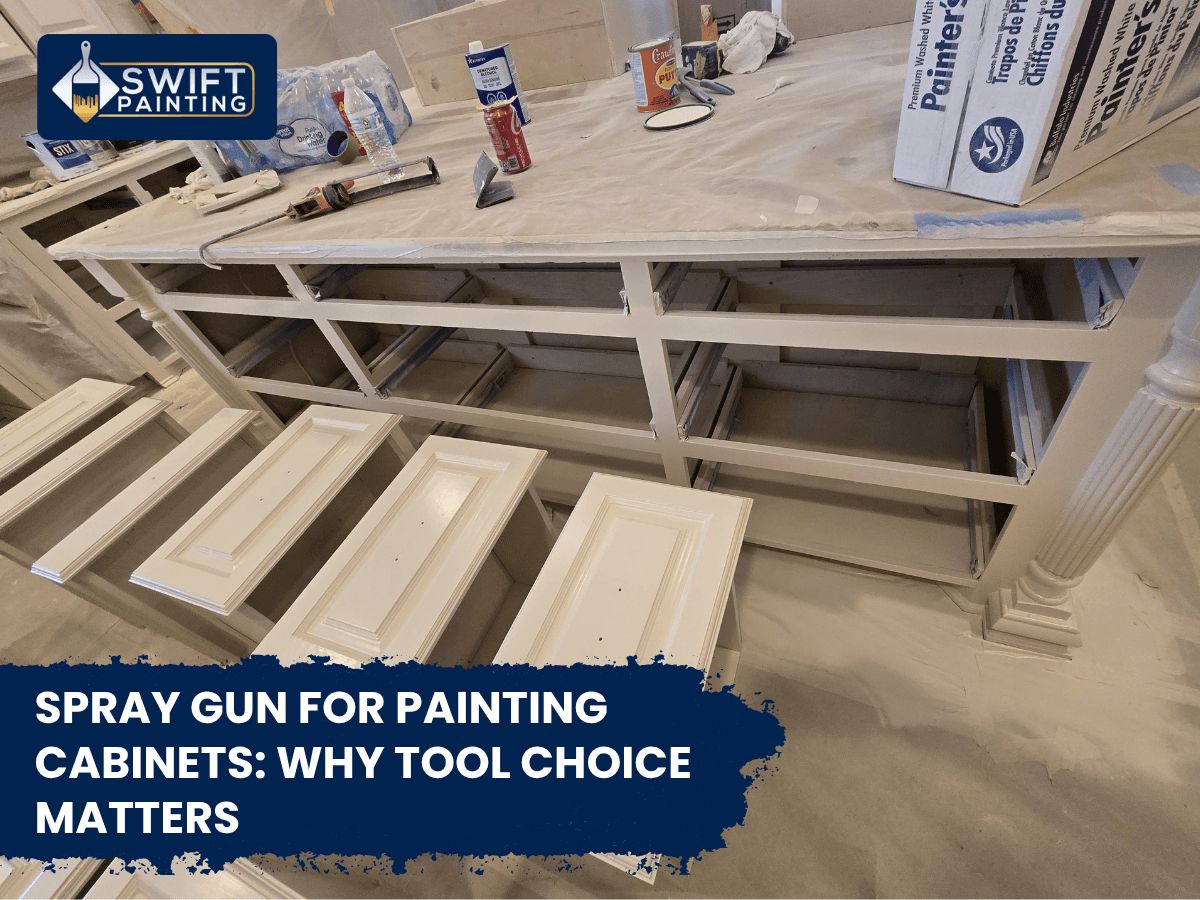
The tool you use can make or break the finish. A cheap sprayer might feel like a shortcut, but it often leads to uneven texture and wasted paint.
A quality spray gun for painting cabinets delivers fine, controlled misting. That means smoother layers and fewer visible strokes.
Look for:
Adjustable pressure control - Fine finish nozzle tips - Easy cleaning system - Consistent spray pattern
A good tool doesn't just save time; it saves the emotional rollercoaster of redoing the whole kitchen.
Best Spray Gun for Painting Cabinets Without Stress
Choosing the best spray gun for painting cabinets depends on skill level and project size.
For beginners:
HVLP spray guns are easier to control - Less overspray means less mess
For professionals:
Air-assisted airless sprayers give ultra-smooth finishes - Faster coverage for larger kitchens
If you're comparing an airless paint sprayer to an HVLP unit, the difference comes down to pressure and control. An airless paint sprayer pushes paint through a small tip at high pressure, which covers cabinet boxes and doors quickly but produces more overspray, so tight kitchens need extra masking. HVLP units run at lower pressure and give beginners more forgiveness, making them the safer starting point before stepping up to airless equipment.
Even the best tool won't help if the technique is off. Keep your hand steady, move in even passes, and never "hover" too long in one spot unless you want paint puddles that look like accidents frozen in time.
Cost of Spray Painting Kitchen Cabinets: What People Don't Expect
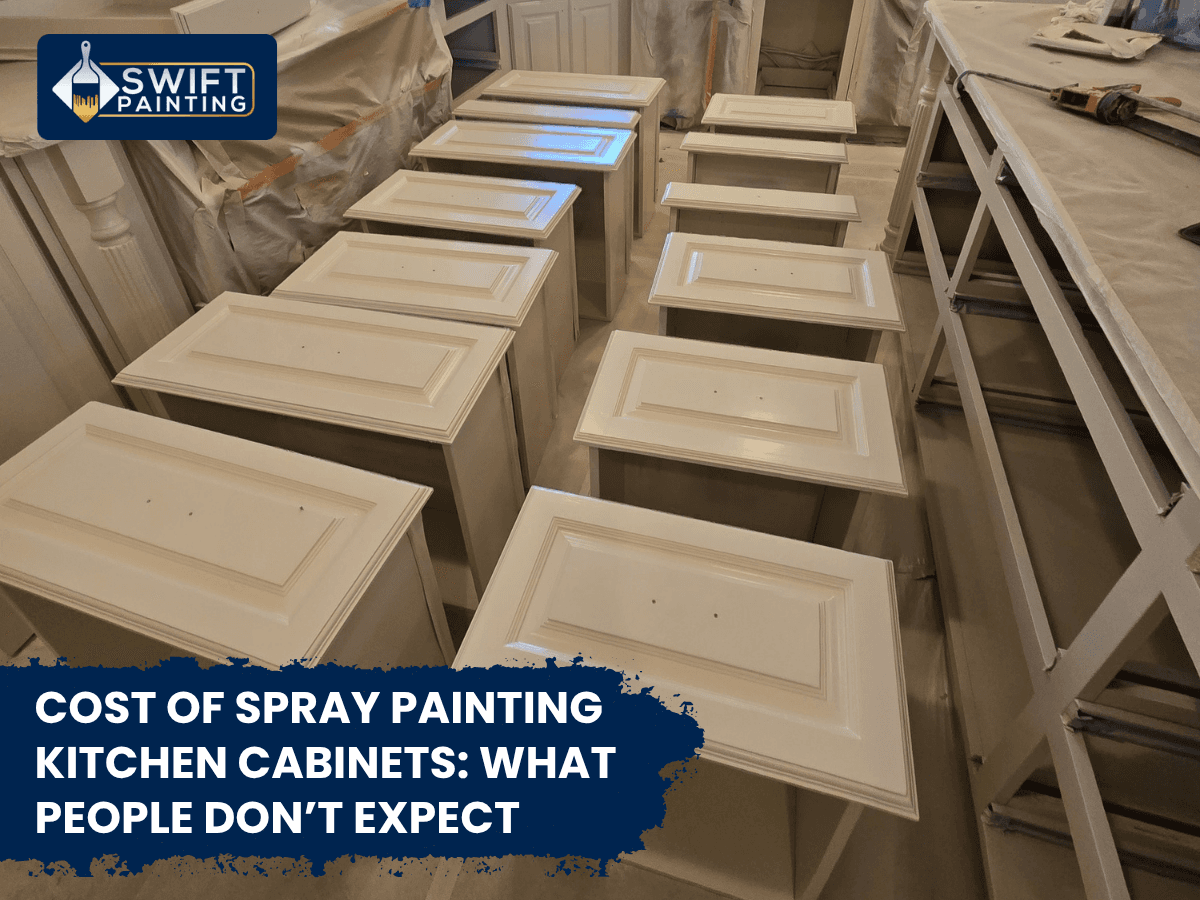
Let's talk about money, because surprises here are rarely pleasant.
The cost of spray painting kitchen cabinets depends on:
Kitchen size - Cabinet condition - Paint quality - Labor expertise - Prep and repairs needed
DIY might look cheaper upfront, but mistakes can double expenses fast. Professional services may cost more initially, but they often prevent repainting disasters that eat both time and budget.
Some homeowners also look at all-in-one paint kits for kitchen cupboards, which combine primer, paint, and topcoat into a single product to cut down on cost and steps. These kits can work for a quick refresh on cabinets in good condition, but they still rely on the same prep rules above, degreasing, light sanding, and thin coats, so skipping those steps causes the same peeling and chipping problems as any other paint.
Think of it like buying shoes. Cheap ones might look fine for a week, but quality ones carry you for years without pain.
Spray Painting Wood Cabinets: Not All Surfaces Behave the Same
Wood is alive in its own way. It expands, contracts, and reacts to moisture like it has moods.
Spray painting wood cabinets requires:
Proper sanding to open the grain - High-quality bonding primer - Flexible paint that moves with wood
Skipping these steps leads to cracking or peeling, especially in kitchens where heat and steam constantly change conditions.
Spray Painting Knobs Cabinets
Hardware is often ignored, but it changes everything visually.
Spray painting kitchen knobs and cabinets can refresh the entire look without replacing fixtures. However, mistakes happen when:
Knobs are not cleaned properly - Paint is applied too thickly - Drying time is rushed
Light coats and proper masking are key. A single drip on metal hardware can look like a permanent scar under kitchen lighting.
Spray Painting vs Brush Painting Cabinets
There's an ongoing debate in home improvement circles: spray painting vs brush painting cabinets.
Spray painting:
Smooth, factory-like finish - Faster coverage - Ideal for modern looks
Brush painting:
More texture and visible strokes - Better for rustic or hand-painted aesthetics - Easier for small touch-ups
If perfection and sleek finishes matter, spraying usually wins. That's why professionals rely on it for premium results.
Why Choose Swift Painting LLC
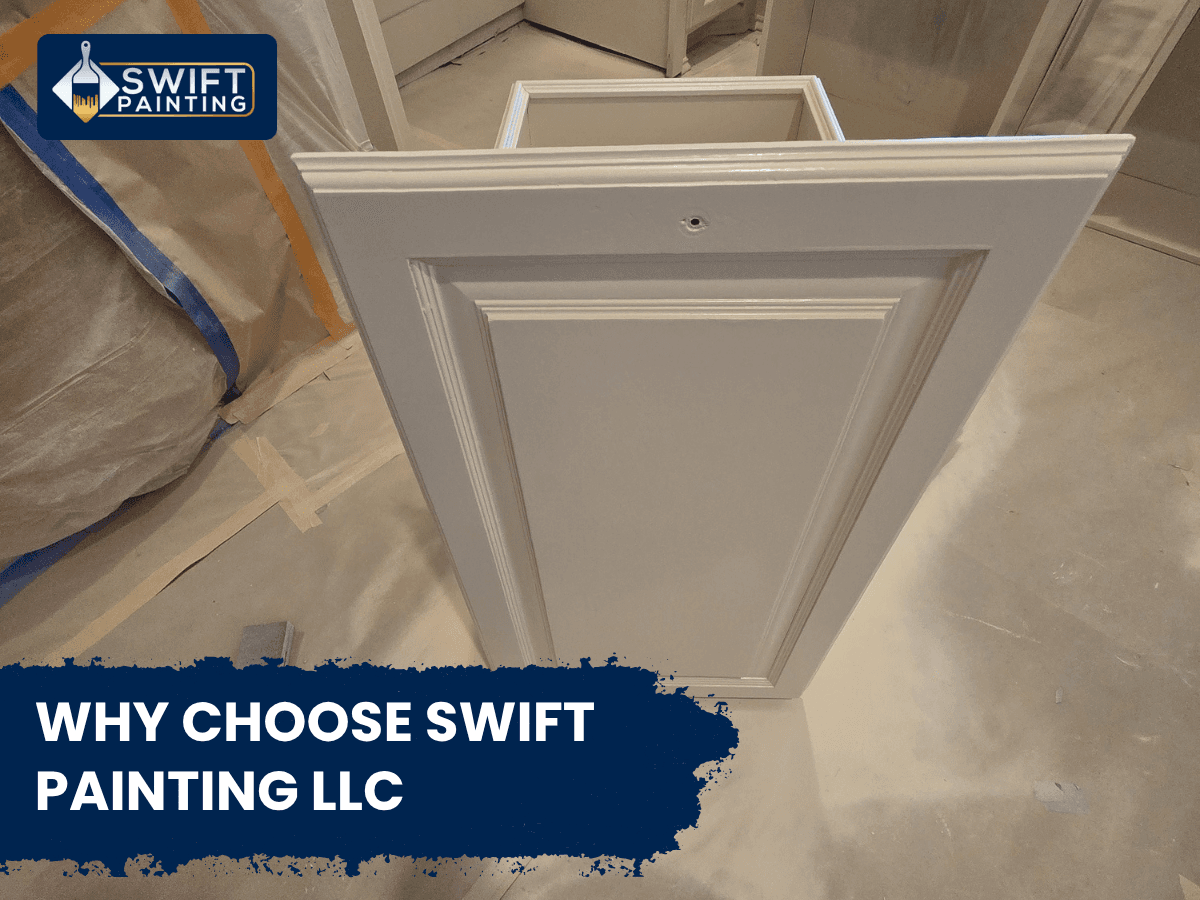
Swift Painting LLC approaches every cabinet project like a craft, not a task. Based in Baton Rouge and the surrounding Louisiana areas, the team focuses on precision, communication, and lasting finishes that don't just look good on day one but hold up over time.
What sets them apart:
Upfront pricing with no confusion - Licensed and insured professionals - Color consultation to avoid guesswork - Clean, respectful job sites - Close attention to detail in prep and finishing
Clients don't just get paint. They get a process designed to remove stress and replace it with confidence. That's where trust is built, stroke by stroke.
Conclusion
Spray painting kitchen cabinets can completely change the energy of a home, but only when done with care, patience, and the right technique. Rushing the process is like trying to bake a cake on a high flame. It looks fine for a moment, then collapses when pressure hits.
Mistakes are common, but they're also avoidable. The difference between a messy finish and a flawless one often comes down to preparation, tools, and experience.
If your kitchen is ready for a transformation that actually lasts, Swift Painting LLC is just a call away. Reach out today for a free quote and bring that fresh, clean, modern feel back into your space with confidence.
Frequently Asked Questions
What is the biggest mistake when spray-painting cabinets?
Skipping prep work is the biggest mistake. Without proper cleaning and sanding, paint won't bond well and may peel quickly.
Is spray painting better than brushing kitchen cabinets?
Yes, for most modern finishes. Spray painting gives a smoother, factory-like appearance compared to brush marks from traditional painting.
How long does spray painting cabinets last?
With proper preparation and high-quality materials, it can last many years without major fading or peeling.
Can I spray paint kitchen cabinets myself?
Yes, you can spray paint kitchen cabinets yourself, but it requires practice, proper tools, and patience. Mistakes can increase the overall cost if refinishing is needed later.
What affects the cost of spray painting cabinets?
The size of the kitchen, the condition of cabinets, the type of paint used, and whether professional labor is involved all influence the total cost.
Ready to Transform Your Home?
Whether you need exterior repainting, interior transformations, or custom cabinet spray refinishing, Swift Painting LLC delivers flawless results engineered for Louisiana homes.
Contact our expert team today for your free written proposal.