Worn, dated cabinets can make a Baton Rouge kitchen feel older than it is, and replacing them is a big investment. That raises an important question. Is it better to paint your existing kitchen cabinets or replace them entirely? The answer starts with the condition of your cabinets, then your budget, timeline, and long-term plans. This guide walks through each factor so you can choose the right fix for your kitchen.
Key Takeaways
Paint when the cabinet boxes are solid and the layout still works for you.
Replace when you see water damage, swelling, or warped frames.
Refacing or new doors suit sound boxes with a dated style.
Painting usually costs less than replacing the whole cabinet system.
Replacement often adds countertop, plumbing, and flooring work to the bill.
Painting takes days, while replacement can stretch to weeks.
Cabinet conditions should decide the choice before the budget does.
What Is the Difference Between Painting and Replacing Kitchen Cabinets?
What Does Painting Kitchen Cabinets Involve?
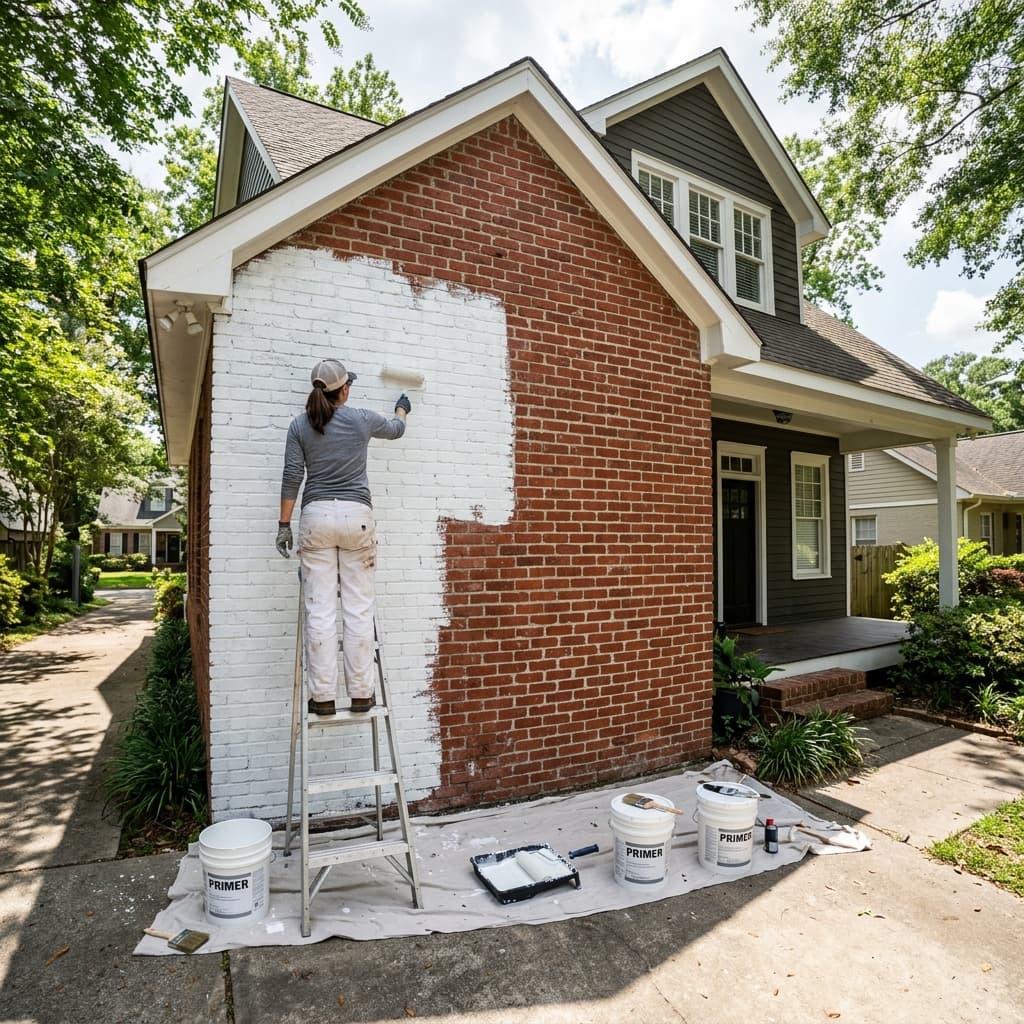
Painting keeps your existing boxes, doors, and drawer fronts. The crew cleans, removes doors and hardware, sands or deglosses, fills minor imperfections, primes, and applies the finish. Your layout and door style stay the same.
What Does Replacing Kitchen Cabinets Involve?
Replacement removes the old cabinets and installs new units. You can change sizes, styles, storage, and layout. It can also pull in countertop, plumbing, and flooring work.
Painting mainly changes how your kitchen looks. Replacement can change how it looks and how it works.
Painting vs. Replacing Kitchen Cabinets: Which Option Is Better?
Neither option is best for every kitchen. Here’s how painting and replacing compare across the key factors:
- Typical cost: Painting is usually more affordable, while replacement costs more depending on the cabinet materials and style.
- Cabinet condition: Painting works best when the existing cabinet boxes are structurally sound. Replacement is suitable when cabinets have significant damage or need a complete upgrade.
- Layout and design flexibility: Painting retains the existing layout and door style, while replacement allows you to redesign the kitchen and change cabinet sizes and configurations.
- Project duration: Painting typically takes days, while replacement can take weeks, depending on the project's scope.
- Lifespan and upkeep: Painted cabinets may need touch-ups over time. New cabinets can provide long-term use, depending on their construction, materials, and maintenance.
- Material waste: Painting produces minimal waste because the existing cabinets are retained. Replacement generates more waste because old cabinets must be removed and disposed of.
What Factors Should You Consider Before Choosing?
Whether you paint or replace kitchen cabinets comes down to three questions: their condition, your layout goals, and your long-term plans.
1. Existing Cabinet Condition and Material
Cabinet material also affects how well cabinets take paint. Solid wood and plywood generally paint well with standard preparation. MDF can also be painted successfully when properly primed and not swollen. Laminate requires a bonding primer and a sound surface for proper adhesion. Thermofoil is the most challenging to paint, and painting is only a suitable option if its vinyl layer is intact and not peeling.
2. Kitchen Layout, Storage, and Design Goals
Painting works when your layout and storage already suit how you cook. If the sink sits in the wrong spot or you need more storage, only replacement can change that. When the boxes are sound but the doors look dated, refacing or new doors can close the gap.
3. Budget and Long-Term Plans
Painting can be a more budget-friendly option when the boxes are in good shape. If you plan to stay for years and the boxes are failing, replacement can be the better long-term investment. The lowest upfront price is not always the best choice.
How Much Does Painting Kitchen Cabinets Cost Compared With Replacing Them?
The cost of painting kitchen cabinets vs replacing them depends on kitchen size, the number of doors and drawers, the condition of the existing finish, and the preparation required. These are Swift Painting's typical cabinet painting ranges for general planning.
| Project | Typical price range | What it covers |
|---|---|---|
| Small kitchen or vanity project | $2,500–$4,500 | Bathroom vanity or compact kitchen layout with standard surface prep |
| Average kitchen cabinets | $4,500–$6,500 | Upper and lower doors, drawer fronts, and frames |
| Large kitchen cabinet project | $6,500–$8,500 | Expansive layout with an island, extensive cabinetry, built-in features, and detailed prep |
An on-site estimate gives the exact price for your kitchen. You receive a written proposal that lists the cabinetry included, the preparation work, the products and finish, and the total price.
Is It Cheaper to Paint or Replace Kitchen Cabinets?
Painting usually costs less than full replacement when the existing cabinets are in good condition. Swift's cabinet painting ranges from $2,500 to $8,500, depending on kitchen size and prep. Replacement is priced by cabinet line and layout, so compare written estimates for both options.
What Additional Costs Can Come With Cabinet Replacement?
Replacement can add work beyond the cabinets themselves. These costs depend on your project and will not apply to every kitchen.
- Countertop removal and templating: Existing countertops may need to be removed, and new countertops may require professional measuring and installation.
- Plumbing and electrical adjustments: Sinks, dishwashers, water lines, or electrical outlets may need to be moved to accommodate the new cabinets.
- Flooring and backsplash repairs: Removing old cabinets can damage nearby flooring, tiles, or backsplash areas that need repair or replacement.
- Removal and disposal: Old cabinets must be removed and hauled away, which can add labor and disposal fees.
How Long Does Each Option Take, and How Long Will It Last?
- Painting: Typically takes a few days, plus additional time for the finish to cure. Painted surfaces may wear over time and require occasional touch-ups.
- Refacing: Project duration depends on the refacing system and scope of work. Longevity depends on the quality of the door materials, applied finishes, and installation.
- Replacing: Can take several weeks, including cabinet ordering and installation. New cabinets can last for many years with proper care, depending on their construction and materials.
Painted surfaces can feel dry soon after the crew finishes, but the finish keeps hardening for a while. Handle doors and drawers gently during that window. The before and after cabinet painting results from a Baton Rouge kitchen show how the finish looks once it has settled.
Timelines and lifespans vary with materials, preparation, and how hard the kitchen is used.
Is Cabinet Refacing a Better Alternative to Painting or Replacing?
Cabinet Refacing vs. Painting
Painting keeps your existing doors and drawer fronts and renews their finish. Refacing typically replaces the visible exterior parts, depending on the system. Painting keeps your current door style, while refacing changes it.
Replacing Cabinet Doors While Keeping the Existing Boxes
New doors and drawer fronts can update boxes that are still sound. You can also paint the boxes and install new doors. This only works when the boxes are structurally solid, since new doors cannot fix swelling or water damage.
Does Painting or Replacing Kitchen Cabinets Add More Resale Value?
Buyers react to a kitchen's overall condition and function. A clean, current finish helps, while worn or damaged cabinets raise questions.
A cosmetic refresh keeps the budget small, while a larger renovation changes more but costs more and takes longer. No cabinet project guarantees a return, so ask a local real estate agent what buyers in your neighborhood expect.
How to Choose the Right Option for Your Kitchen?
##
| If your situation is | Option to consider |
|---|---|
| Cabinet boxes are sound, but the finish looks outdated | Painting |
| Cabinet boxes are solid, but the doors look dated | Refacing or replacing the doors |
| Cabinets have structural or water damage | Replacement |
| You need a different layout or much more storage | Replacement |
| You want a fresh look and the boxes are sound | Painting or a hybrid approach |
| You want a cosmetic update before selling | Painting, if the cabinets are suitable |
If your home was built before 1978, ask any contractor about lead-safe practices. The EPA's Renovation, Repair and Painting Rule requires paid work that disturbs painted surfaces in those homes to follow lead-safe work practices, and sanding painted cabinets can fall under it.
What Does Professional Kitchen Cabinet Painting Preparation Involve?
Proper preparation helps determine how long paint lasts, since paint needs to adhere properly to the surface. The sheen matters too, because satin, semi-gloss, and gloss cabinet finishes wear and clean differently in a busy kitchen.
- Cleaning and degreasing: Removes cooking grease, dirt, and residue that can prevent paint from bonding properly.
- Repairs: Fills minor dents, cracks, and gaps to create a smoother surface before painting.
- Sanding: Prepares the surface for better paint adhesion, with the method adjusted to the cabinet material and existing finish.
- Bonding primer: Helps the paint adhere to the prepared surface, especially when working with challenging materials or existing finishes.
- Cabinet-grade finish: Applies suitable cabinet paint in even coats to achieve a smooth, consistent finish.
- Drying and curing: Allows the painted doors and drawers to dry and cure adequately before regular use, helping the finish develop its intended durability.
Why Homeowners Choose Swift Painting for Cabinet Work?
We treat cabinet work as a full project, from color consultation through the final walkthrough. Our cabinet painting projects start with a written proposal, and the estimate happens at your home.
- 1Louisiana licensed home improvement contracting company, with Workmen's Compensation and General Liability insurance through LWCC
- 2Written scope and fixed pricing, so you know the cost before work starts
- 3Same-day, on-site estimate before the crew leaves
Frequently Asked Questions
What Is the Biggest Downside of Painting Kitchen Cabinets?
Paint is only a finish. It can chip or wear at edges and handles in busy kitchens, and it cannot repair damaged boxes or change the layout. Preparation decides how long it holds.
Can You Paint Laminate, Thermofoil, or MDF Kitchen Cabinets?
Often, yes, with conditions. MDF takes paint well when primed and not swollen. Laminate and thermofoil need a bonding primer and a sound surface, and peeling layers usually mean new doors make more sense.
Can I Use My Kitchen While the Cabinets Are Being Painted?
In a limited way. Doors and drawer fronts often come off for work and drying, so storage is out of reach for part of the project. Ask for a schedule that shows which days are hardest.
Can I Replace Cabinet Doors Without Replacing the Entire Kitchen?
Yes, when the boxes are sound. New doors can change the style while the boxes stay put, and the boxes can be painted to match. Water-damaged or sagging boxes need replacing.
What Type of Paint Is Best for Kitchen Cabinets?
Cabinet-grade enamel over a compatible bonding primer holds up best, because it cures hard and resists everyday wear. The best paint for cabinets depends on the material and the existing finish.