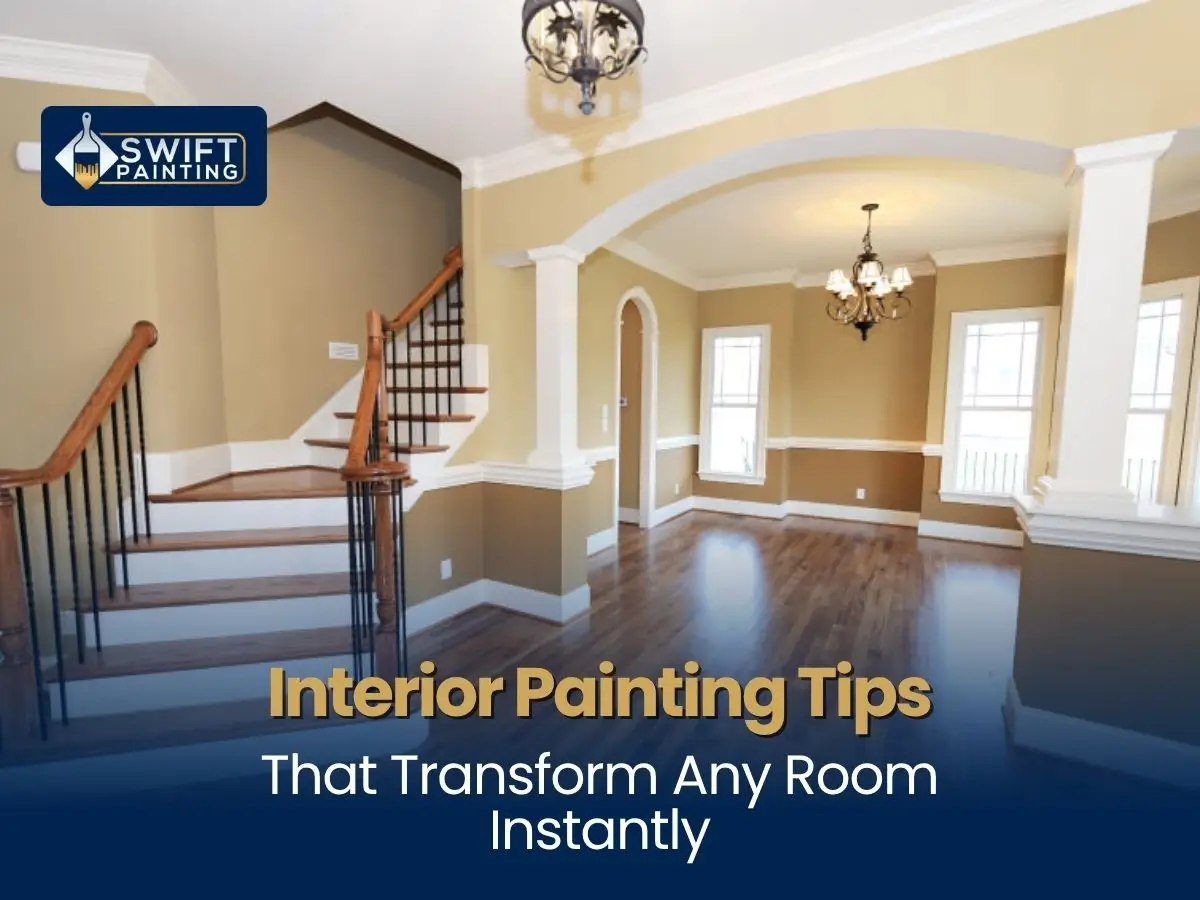
When you walk into a room, the walls tell a story before a single word is spoken. A fresh coat of paint can breathe life into stale corners, expand small spaces, or turn an ordinary room into a haven. Interior painting isn't just slapping color on walls; it's the art of setting a mood, crafting an experience, and expressing personality. Whether you're painting your first home or giving a long-loved space a facelift, these interior painting tips will transform your room instantly.
Key Takeaways
Thorough surface preparation is essential before painting in South Louisiana.
Always verify licensing, workers comp, and general liability insurance before hiring.
Consult with Swift Painting LLC for expert Sherwin-Williams color matching.
How to Paint Walls for a Flawless Finish
The journey to flawless walls begins with preparation. Skipping prep work is like trying to bake a cake without measuring ingredients; it rarely ends well. Start by cleaning surfaces, filling cracks, sanding rough areas, and taping off trim. Proper primer ensures your chosen color adheres smoothly, making it pop rather than fade into uneven streaks. If you're short on time, put your prep effort where it shows most — trim lines, corners, and the walls people actually notice — rather than trying to perfect every inch of the room before the first coat goes on.
When applying paint, consider these tips:
Use a high-quality brush for corners and edges. - Roll paint in a "W" or "M" pattern for even coverage. - Apply thin, multiple coats instead of one heavy one.
A little patience goes a long way. Even seasoned painters know that rushing is the fastest route to streaks, drips, and frustration.
The Best Way to Paint a Room
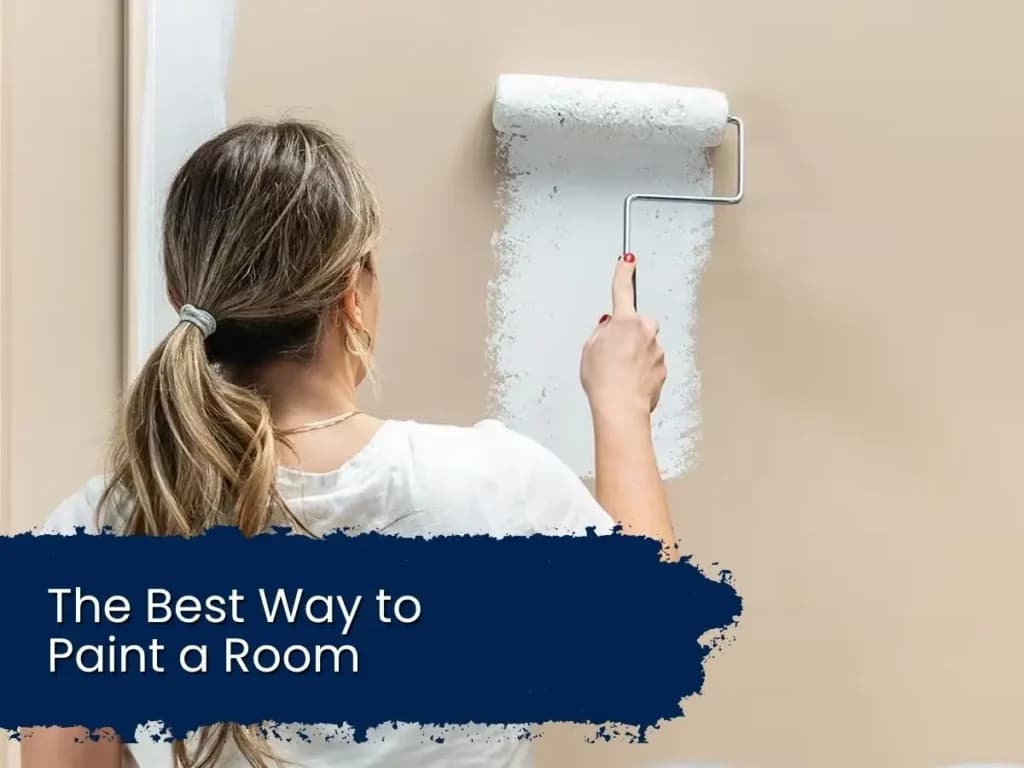
Finding the best way to paint a room isn't just about technique; it's also about strategy. Start from the top: ceiling first, then walls, and trim last. This ensures that any splashes or drips are painted over during later steps rather than creating additional touch-ups.
For large spaces, break the room into sections. Focus on completing one wall or section at a time. This prevents paint from drying unevenly and helps you maintain a consistent texture and finish.
Lighting matters too. Paint can look completely different under natural daylight versus artificial lighting. Test small swatches in various corners before committing. It's a small step that can save you from a regretful choice.
Painting Inside House: Choosing Colors that Transform
Color is a mood incarnate. Warm tones like golden yellows and soft oranges can make rooms feel cozy, while blues and greens evoke calm and serenity. For rooms with limited natural light, lighter shades reflect light, opening up the space. Darker tones, when applied strategically, can add drama and sophistication.
For bedrooms specifically, softer, quieter hues — muted blues, sage greens, warm neutrals — tend to support rest better than the bold or energizing colors that work well in a kitchen or home office. Since a bedroom is used for winding down, it's one room where restraint usually pays off more than a bold statement wall.
Interior room painting is also about contrast. Consider accent walls or painting trim a complementary color. It adds depth without overwhelming the senses.
#### Tips for Selecting Paint Finishes:
Matte: Hides imperfections, perfect for ceilings and low-traffic walls. - Eggshell: Slight sheen, balances elegance and practicality for living spaces. - Semi-gloss: Durable, ideal for kitchens, bathrooms, or high-touch areas. - Gloss: Bold and reflective, great for trims and doors.
Different Ways to Paint a Room
Why stick to plain walls when you can experiment with texture and style? Interior wall painting can be a playground of creativity. Here are a few approaches:
Color Blocking: Use two or more colors for geometric shapes or accent walls. - Stripes: Horizontal stripes can widen a room, and vertical stripes heighten ceilings. - Sponging or Rag Rolling: Adds subtle texture for visual interest. - Ombre Effects: Gradually transition from light to dark shades for a dreamy aesthetic.
Room painting doesn't have to be ordinary. The right technique can turn a simple interior into a statement of style.
Painting Interior Walls: Tools and Techniques That Make a Difference
Even with the best paint, subpar tools can ruin your efforts. Invest in quality brushes, rollers, and painter's tape. Microfiber rollers hold paint better, reduce splatter, and create a uniform finish. For detailed work, angled brushes are indispensable.
Sprayers are a game-changer for large areas. They allow faster application and smoother results, but require masking off areas to avoid overspray.
#### Painting Walls Tips for a Professional Look:
Paint in natural light when possible. - Maintain a wet edge to avoid lap marks. - Feather the edges for seamless blending between strokes. - Remove painter's tape before the paint fully dries to prevent peeling.
Transform Your Room: Small Changes, Big Impact
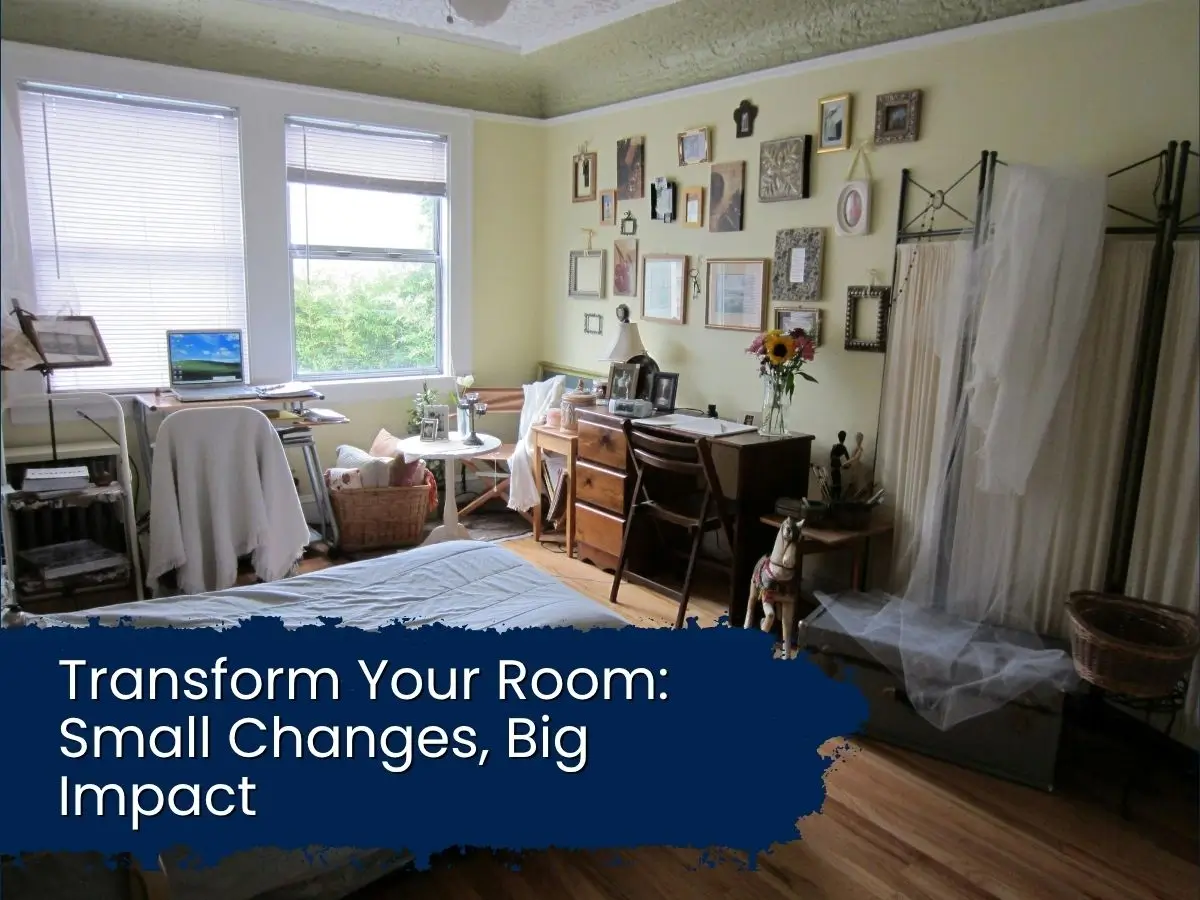
Interior painting isn't just cosmetic, it's transformative. A well-chosen color and professional application can lift energy, redefine space, and even influence daily mood. Pair your walls with complementary furniture, art, and lighting to amplify the effect. Even subtle shifts, like painting trim or a single accent wall, can make a room feel entirely new.
Why Choose Swift Painting for Your Interior Room Painting
Not all painters are created equal. Swift Painting LLC brings over seven years of expertise in Baton Rouge and the surrounding areas. Here's why homeowners choose Swift Painting for interior painting:
Upfront Pricing: No hidden costs or surprises. - Licensed & Insured: Peace of mind while transforming your home. - Color Consulting: Professional guidance ensures your vision comes to life the first time. - Attention to Detail: Every corner, trim, and accent receives meticulous care. - Client-Centered Approach: Your satisfaction isn't just a goal, it's the mission.
Swift Painting doesn't just paint walls; we curate experiences. Each brushstroke reflects our dedication, skill, and respect for your home.
Conclusion
Interior painting has the power to reinvent your living space, evoke emotion, and create harmony between aesthetics and function. Whether you're repainting for style, maintenance, or resale value, attention to preparation, color, technique, and detail is key.
Choosing Swift Painting LLC ensures your project is handled with professionalism, precision, and heart. From color consultation to flawless application, we bring expertise, creativity, and a commitment to your satisfaction in every stroke.
Ready to transform your home with interior painting that truly impresses? Request a free quote from Swift Painting LLC today and see your room come to life!
Frequently Asked Questions
What is the best way to paint walls without streaks?
Use thin, even coats and maintain a wet edge while rolling in a "W" pattern. High-quality brushes and rollers reduce streaking.
How long does it take to paint a room interior?
A standard room typically takes 1–3 days, including prep, painting, and drying time. Complexity, wall condition, and number of coats influence timing.
Can I paint interior walls myself, or should I hire a professional?
DIY is possible for small projects, but professionals like Swift Painting provide flawless results, color consultation, and efficient project management, saving time and stress.
What are common mistakes when painting inside a house?
- Skipping prep work like cleaning and sanding walls. - Using cheap paint or tools. - Ignoring lighting, which affects color perception. - Painting in a single thick coat instead of multiple thin coats.
How do I choose colors for interior room painting?
Consider the room size, lighting, and the mood you want to create. Test swatches in different areas and lighting conditions. Professionals can provide personalized guidance for harmony and style.
Ready to Transform Your Home?
Whether you need exterior repainting, interior transformations, or custom cabinet spray refinishing, Swift Painting LLC delivers flawless results engineered for Louisiana homes.
Contact our expert team today for your free written proposal.