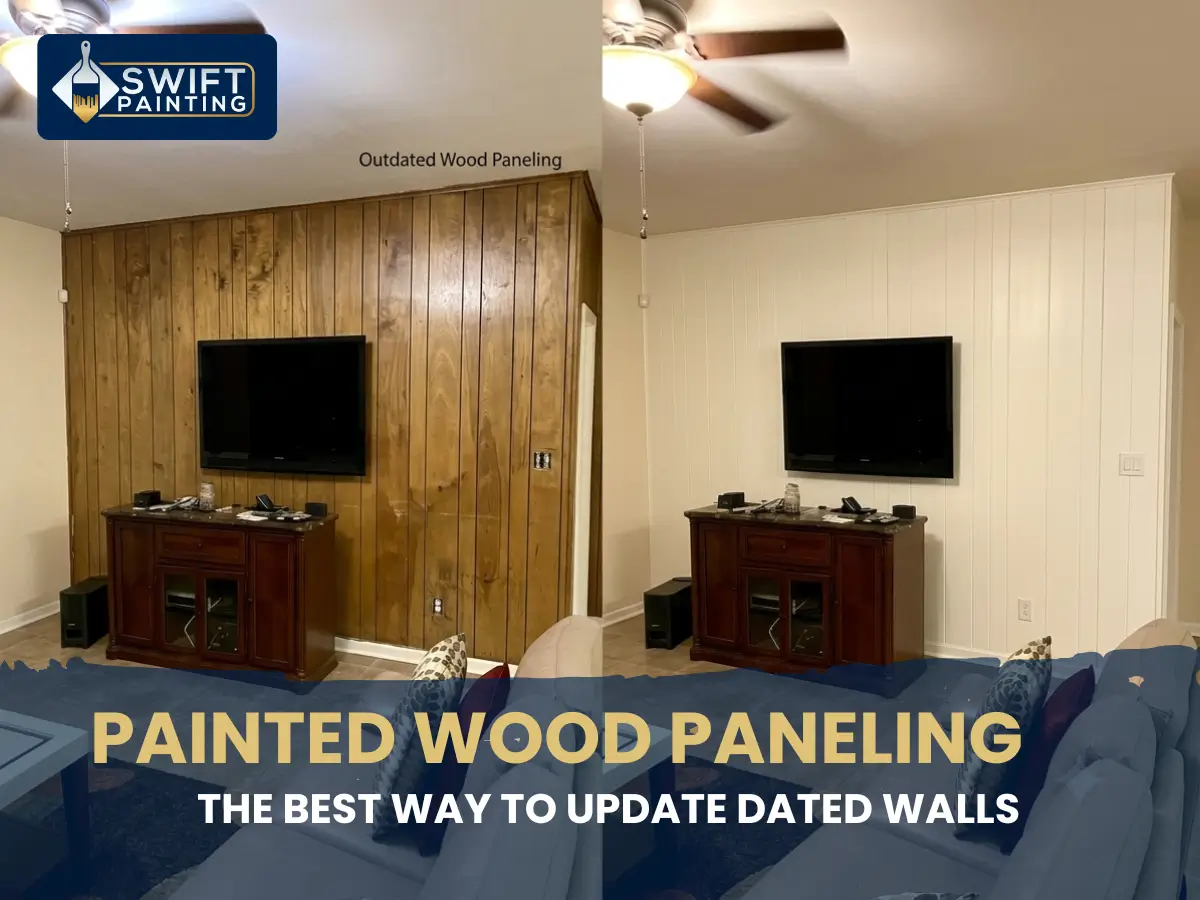
Painted Wood Paneling: The Best Way to Update Dated Walls
Wood paneling doesn't have to make a room feel dark, outdated, or stuck in another decade. In fact, painting existing paneling is one of the most effective ways to modernize a space without removing the character that makes it unique. With the right preparation, colors, and finishes, paneled walls can become a stylish design feature that fits both traditional and contemporary homes.
Many homeowners are surprised by how dramatic the transformation can be. A room that once felt heavy and dated can become brighter, larger, and more inviting with paint alone. Whether you're updating a living room, dining room, basement, or home office, understanding how to approach the project can help you achieve professional-looking results that last.
Key Takeaways
Thorough surface preparation is essential before painting in South Louisiana.
Always verify licensing, workers comp, and general liability insurance before hiring.
Consult with Swift Painting LLC for expert Sherwin-Williams color matching.
Why Painted Paneling Is Making a Comeback
For years, removing paneling was considered the only solution for modernizing older interiors. Today, homeowners and designers are taking a different approach.
#### A Budget-Friendly Alternative to Removal
Removing wall paneling often turns into a larger renovation than expected. Once the panels come off, homeowners may discover damaged drywall, uneven surfaces, missing insulation, or old repairs that need attention. These additional repairs can quickly increase both labor and material costs.
Painting existing paneling allows homeowners to achieve a fresh appearance while avoiding many of those expenses. The overall project is typically faster, less disruptive, and more cost-effective than a complete wall replacement.
#### Preserving Character While Updating Style
Many homes contain architectural details that would be difficult or expensive to recreate today. Wood paneling adds texture, dimension, and visual interest that standard drywall often lacks.
Rather than viewing paneling as an outdated feature, many designers now see it as an asset. Paint allows homeowners to update the color while preserving the unique character of the walls.
Why Homeowners Prefer Painting Over Replacement
Modern design trends increasingly embrace texture and architectural details. Instead of removing every traditional feature, homeowners are looking for ways to blend classic elements with contemporary styles.
This shift has led to a growing interest in painted wood paneling, especially in homes where preserving original features adds value and personality.
Can You Paint Over Wood Paneling?
One of the most common questions homeowners ask is whether paneling can actually be painted successfully—and whether you should paint wood paneling in the first place instead of leaving it natural or tearing it out.
The answer is yes, provided the surface is prepared correctly.
#### Solid Wood vs. Veneer Paneling
Solid wood paneling is often the easiest type to paint because it provides a stable surface that accepts primers and paint well. Veneer paneling can also be painted successfully, although extra care is required during preparation to avoid damaging the thin outer layer.
Regardless of the material, proper cleaning and priming are essential for long-term durability.
#### What to Check Before Painting
Before beginning any painting project, inspect the walls carefully. Look for signs of water damage, loose panels, cracks, or areas where the finish is peeling.
Addressing these issues before painting helps ensure the final finish looks smooth and lasts for years.
#### When Repairs Should Come First
Paint can dramatically improve appearance, but it cannot solve structural problems. If paneling has significant damage, mold issues, or moisture intrusion, those concerns should be resolved before any painting begins.
Painting Knotty Pine Paneling Successfully
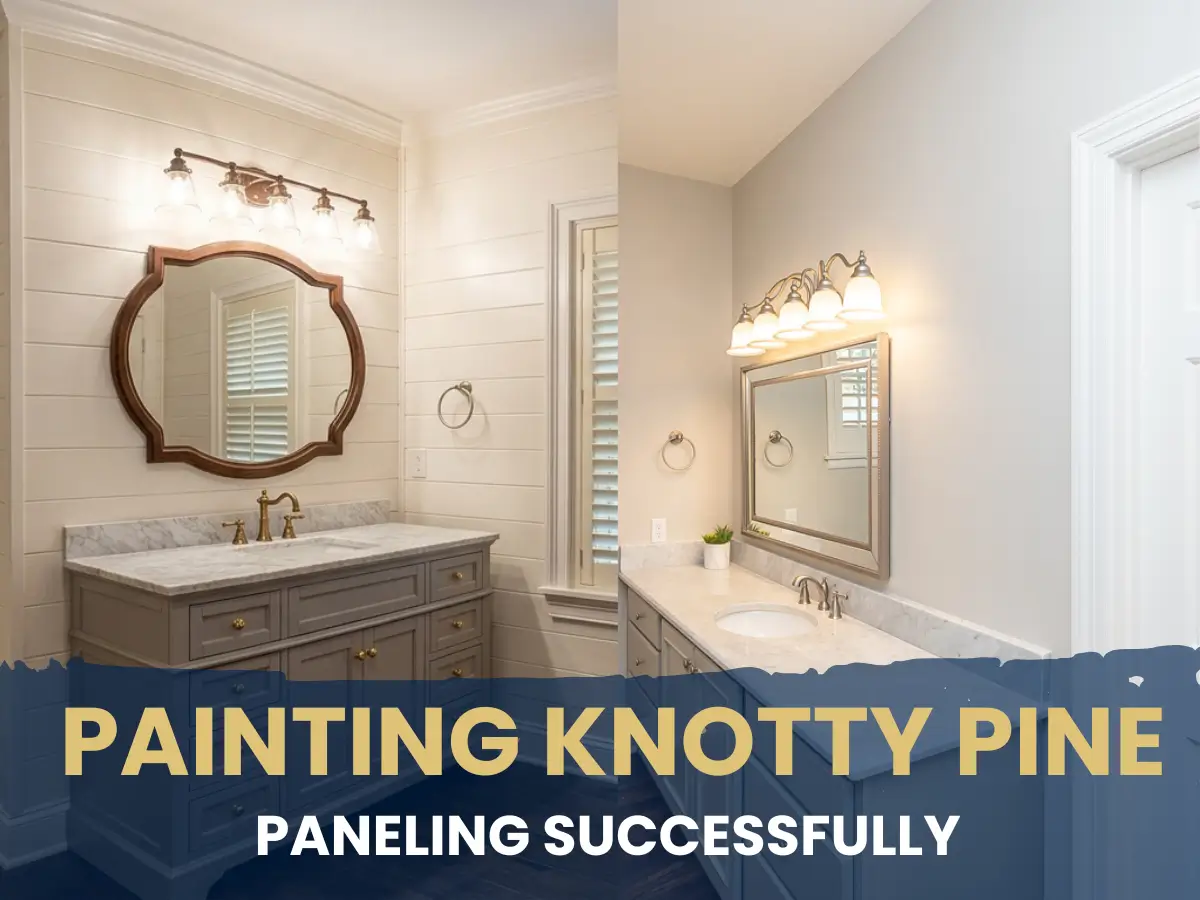
Few materials are more recognizable in older homes than knotty pine paneling. While some homeowners love its rustic charm, others prefer a brighter and more modern appearance.
#### Why Knots Can Bleed Through Paint
The knots found in pine contain natural resins and tannins that can migrate through paint over time. Without proper preparation, yellow or brown stains may eventually appear on the finished surface.
This is one of the most common reasons DIY paneling projects fail.
#### The Importance of Stain-Blocking Primer
A high-quality stain-blocking primer creates a barrier between the wood and the finish coat. This prevents discoloration while improving paint adhesion.
Skipping this step may save time initially, but it often leads to costly repainting later.
#### Should You Keep the Natural Pine Look?
Not every pine wall needs to be painted. Homes with strong rustic, cabin, or farmhouse aesthetics may benefit from preserving natural wood finishes.
However, when a room feels excessively dark or dated, painting can dramatically improve both brightness and overall appeal.
Choosing the Right Color for Paneled Walls
Color selection has a major impact on the final appearance of paneled walls.
Unlike flat drywall, grooves and textures create natural shadows that affect how colors appear throughout the day.
#### Why White Continues to Be Popular
One of the most common transformations involves wood paneling painted in white. White reflects natural light, brightens darker interiors, and creates a timeless appearance that works with nearly every design style.
It also highlights architectural details without making the walls feel visually heavy.
#### Warm Neutrals for a Softer Look
While white remains popular, many homeowners now prefer warmer shades such as cream, greige, taupe, and soft beige.
These colors provide brightness while creating a more inviting atmosphere than stark white walls.
#### Bold Colors That Add Personality
Deep greens, charcoal grays, navy blues, and rich earth tones have become increasingly popular choices for paneling.
When paired with the right furnishings and lighting, darker colors can create depth and sophistication while still showcasing the texture of the walls.
#### How Lighting Affects Paint Color
Natural light significantly influences how paint appears. North-facing rooms often feel cooler, while south-facing spaces tend to emphasize warm undertones.
Testing paint samples at different times of day can help homeowners avoid costly mistakes.
Painted Wood Paneling Living Room Transformations
The living room is often the space where homeowners notice the biggest visual improvement after painting paneling.
#### Brightening Dark Spaces
Older paneled living rooms frequently feature dark brown finishes that absorb light and make spaces feel smaller.
A well-planned painted wood paneling living room can feel dramatically brighter even without changing windows, flooring, or furniture.
#### Making Small Rooms Feel Larger
Lighter wall colors create the illusion of openness by reflecting both natural and artificial light.
This effect is especially noticeable in compact living rooms where dark walls may feel restrictive.
#### Highlighting Architectural Character
Many homeowners assume paneling hides a room's beauty. In reality, painted paneling often reveals details that were overlooked when the wood was stained dark.
The grooves and texture become subtle design features rather than visual distractions.
#### Best Color Choices for Living Rooms
Soft white, warm greige, sage green, and muted blue remain among the most versatile choices for living spaces.
These colors balance brightness with comfort, creating rooms that feel welcoming without appearing overly trendy.
Painted Wood Paneling Dining Room Ideas
Dining rooms offer an opportunity to be slightly more adventurous with color and design.
#### Creating a More Refined Space
A thoughtfully designed painted wood paneling dining room can feel elegant while still maintaining warmth and character.
Paneling naturally adds texture, which helps create a more layered and sophisticated interior.
#### Using Dark Colors for Drama
Deep green, navy, charcoal, and even black can work exceptionally well in dining spaces.
These colors create intimacy and pair beautifully with statement lighting fixtures.
#### Choosing Light Colors for an Airy Feel
For homeowners who prefer a brighter aesthetic, soft whites and warm neutrals remain excellent choices.
Lighter colors help smaller dining rooms feel more spacious while reflecting available light throughout the room.
#### Coordinating With Flooring and Furniture
The most successful dining room designs consider the entire space rather than focusing only on the walls.
Selecting wall colors that complement flooring, cabinetry, and furnishings creates a more cohesive and intentional appearance.
Should You Fill the Panel Grooves or Leave Them Visible?
One of the biggest decisions homeowners face when updating painted paneling walls is whether to preserve the grooves or create a smooth surface.
#### Benefits of Keeping the Grooves
Retaining the grooves preserves the character and texture that make paneling unique. Many designers intentionally keep these lines visible because they add architectural interest.
#### When a Smooth Surface Makes Sense
Some homeowners prefer a drywall-like appearance. In those cases, grooves can be filled with joint compound and sanded smooth before painting.
While this creates a cleaner look, it requires significantly more labor.
#### Which Option Looks More Modern?
Modern design trends increasingly embrace texture rather than eliminating it. As a result, many contemporary painted wood panel walls retain their original lines while using updated colors and finishes.
Whether visible grooves or a filled, smooth surface looks better ultimately comes down to the room and the homeowner's taste: painted grooves tend to read as more architectural and traditional, while a filled surface reads closer to standard drywall and suits a cleaner, minimalist look. The best choice ultimately depends on the style of the home and the look the homeowner wants to achieve.
Best Paint Finishes for Wood Paneling
Choosing the right color is important, but selecting the correct finish can have just as much impact on the final result. Different paint sheens affect durability, maintenance, and the overall appearance of the walls.
#### Matte Finish for a Soft, Modern Look
Matte finishes have become increasingly popular because they create a smooth, contemporary appearance. They minimize surface imperfections and provide a sophisticated look that works well in bedrooms, living rooms, and low-traffic areas.
Because matte finishes absorb more light, they can help soften the texture of paneling while still allowing architectural details to remain visible.
#### Eggshell for Everyday Living Spaces
Eggshell strikes a balance between appearance and durability. It offers a subtle sheen that is easier to clean than flat paint while maintaining a soft aesthetic.
Many professional painters recommend eggshell for family rooms, hallways, and other frequently used areas because it holds up well without appearing overly glossy.
#### Satin for Durability and Easy Maintenance
Satin finishes are often the preferred choice for high-traffic spaces. They resist moisture and cleaning better than matte or eggshell finishes, making them ideal for kitchens, bathrooms, mudrooms, and children's play areas.
The slight sheen also highlights the texture of paneling, which can add visual depth to the finished walls.
#### Which Finish Is Best?
There is no single answer for every home. Most homeowners find that eggshell or satin provides the best balance of beauty and practicality. The ideal choice depends on how the room is used, how much natural light it receives, and how often the walls may need cleaning.
Painted Wood Paneling Ideas for Modern Homes
One reason painted paneling has become so popular is its versatility. The same walls can support dramatically different design styles depending on the color and finish selected.
#### Bright White for a Timeless Update
White remains one of the most requested options because it works with virtually every design style. Whether paired with traditional furniture or contemporary décor, white paneling creates a clean and welcoming backdrop.
Many homeowners searching for painted wood paneling ideas are drawn to white because it immediately modernizes older interiors without removing their character.
#### Moody Colors for Added Depth
Dark colors are gaining popularity in modern interiors. Rich navy, charcoal gray, deep green, and black create dramatic spaces that feel sophisticated and intentional.
These shades work especially well in dining rooms, home offices, and accent walls where homeowners want a stronger visual statement.
#### Earth-Inspired Neutrals
Warm greige, clay, mushroom, and taupe tones provide a softer alternative to bright white. These colors feel current while maintaining a timeless appeal that won't quickly go out of style.
They also complement many flooring materials commonly found in older homes.
#### Two-Tone Paneling Designs
Some homeowners choose to combine colors for additional visual interest. A darker lower section paired with a lighter upper wall can create a custom appearance that adds dimension to a room.
This approach works particularly well in spaces where paneling extends only partially up the wall.
Room-by-Room Design Inspiration
Different rooms have different goals. Understanding how color influences each space can help homeowners make more confident decisions.
#### Bedrooms
Bedrooms benefit from colors that create a sense of calm and relaxation. Soft blues, muted greens, warm whites, and subtle grays often work well because they promote a peaceful atmosphere.
Painted paneling can also add texture that makes the room feel more layered and inviting.
#### Home Offices
Remote work has increased the importance of home office design. Painted paneling can provide an attractive background for video meetings while adding personality to the space.
Deep green, navy, charcoal, and sophisticated neutrals remain popular choices because they create a professional appearance without feeling sterile.
Hallways and Entryways
These transition spaces are often overlooked during renovations. Painting paneling in hallways and entryways can brighten narrow areas and create a stronger first impression when guests enter the home.
Lighter colors generally work best because they help maximize available light.
#### Basements
Basements frequently contain older paneling that can make the space feel dark and enclosed. Painting those surfaces is often one of the fastest ways to improve the room's appearance.
Bright neutral colors can transform a basement from an underused area into a comfortable extension of the home's living space.
Common Mistakes Homeowners Should Avoid
A successful paneling project depends as much on preparation as it does on paint color.
#### Skipping Surface Preparation
Dust, grease, smoke residue, and household contaminants can prevent paint from adhering properly. Thorough cleaning is essential before any primer or paint is applied.
Even the highest-quality paint may fail if applied over a dirty surface.
#### Using the Wrong Primer
Primer serves as the foundation of the entire project. Standard primers may not adequately block stains or promote adhesion on glossy paneling.
#### Ignoring Wood Tannins
This issue is especially common with pine paneling. Without a stain-blocking primer, discoloration can eventually bleed through the finish coat.
Many failed DIY projects can be traced back to this single mistake.
Choosing Trendy Colors Without Considering the Home
Trends change quickly. While bold colors can look beautiful, homeowners should consider how those choices fit the overall style of the house.
A color that works well on social media may not be the best long-term decision for every interior.
Maintaining Painted Paneling
One advantage of professionally painted paneling is that it requires relatively little maintenance.
#### Regular Cleaning
Dust can accumulate within grooves and textured surfaces over time. Periodic cleaning with a microfiber cloth or soft brush helps maintain a fresh appearance.
For more durable finishes, mild soap and water can typically be used for occasional spot cleaning.
#### Addressing Minor Damage Early
Small chips and scratches are easier to repair when addressed quickly. Keeping a small amount of leftover paint makes future touch-ups much simpler.
#### Knowing When Repainting Is Needed
High-quality paint systems can last many years before requiring repainting. Factors such as sunlight exposure, moisture, and daily wear influence how long the finish remains in excellent condition.
Why Professional Preparation Makes a Difference
Many homeowners focus on paint color, but professionals know that preparation determines the quality of the final result.
Proper cleaning, sanding, priming, caulking, and repair work create the foundation for a smooth, durable finish. Skipping these steps often leads to peeling, uneven coverage, or premature wear.
Experienced painters understand how different types of paneling react to paint and which products perform best under specific conditions. This knowledge helps avoid costly mistakes and ensures a finish that continues to look good years after the project is completed.
Whether updating a single room or an entire home, professional preparation often produces a more polished and long-lasting result.
Final Thoughts
Transforming outdated paneling doesn't require a full renovation. In many cases, paint alone can completely change how a room feels, bringing new life to walls that once seemed dark or dated. From bright contemporary spaces to warm traditional interiors, painted paneling offers a practical way to preserve architectural character while achieving a fresh new look.
The most successful projects combine thoughtful color selection, proper preparation, and quality materials. Whether you're updating a family room, refreshing a dining area, or giving an entire home a makeover, the right approach can turn aging walls into a standout design feature.
For homeowners considering a professional transformation, Swift Painting LLC has seen firsthand how dramatic these updates can be. Well-executed wood panel painting ideas not only improve appearance but can also help homeowners enjoy their spaces in entirely new ways. When preparation and craftsmanship come together, even decades-old paneling can look modern, bright, and beautifully integrated into today's interiors.
Frequently Asked Questions
Is painted wood paneling still in style?
Yes. Painted paneling remains popular because it combines texture and architectural character with modern color palettes. Many designers now view painted paneling as a desirable feature rather than something that should be removed.
Can all wood paneling be painted?
Most types of paneling can be painted successfully, including solid wood, veneer, and many manufactured panels. Proper cleaning, priming, and preparation are essential for long-lasting results.
What color works best for painted paneling?
White remains a popular choice because it brightens rooms and complements nearly any design style. However, warm neutrals, soft greens, blues, and charcoal tones are also commonly used depending on the room and desired aesthetic.
Does painting paneling make a room look bigger?
Often, yes. Lighter colors reflect more light, which can make a room feel larger and more open. This effect is particularly noticeable in older spaces with dark wood finishes.
Should I fill the grooves in wood paneling?
That depends on the desired look. Keeping the grooves preserves texture and architectural detail, while filling them creates a smoother, drywall-like appearance.
How long does painted paneling last?
With proper preparation and quality materials, painted paneling can maintain its appearance for many years. Durability depends on the paint system used, environmental conditions, and the amount of daily wear the walls experience.
Is painting paneling cheaper than replacing it?
In most cases, yes. Painting typically costs significantly less than removing paneling, repairing walls, and installing new drywall, making it one of the most cost-effective interior updates available.
Ready to Transform Your Home?
Whether you need exterior repainting, interior transformations, or custom cabinet spray refinishing, Swift Painting LLC delivers flawless results engineered for Louisiana homes.
Contact our expert team today for your free written proposal.