How To Remove Popcorn Ceiling
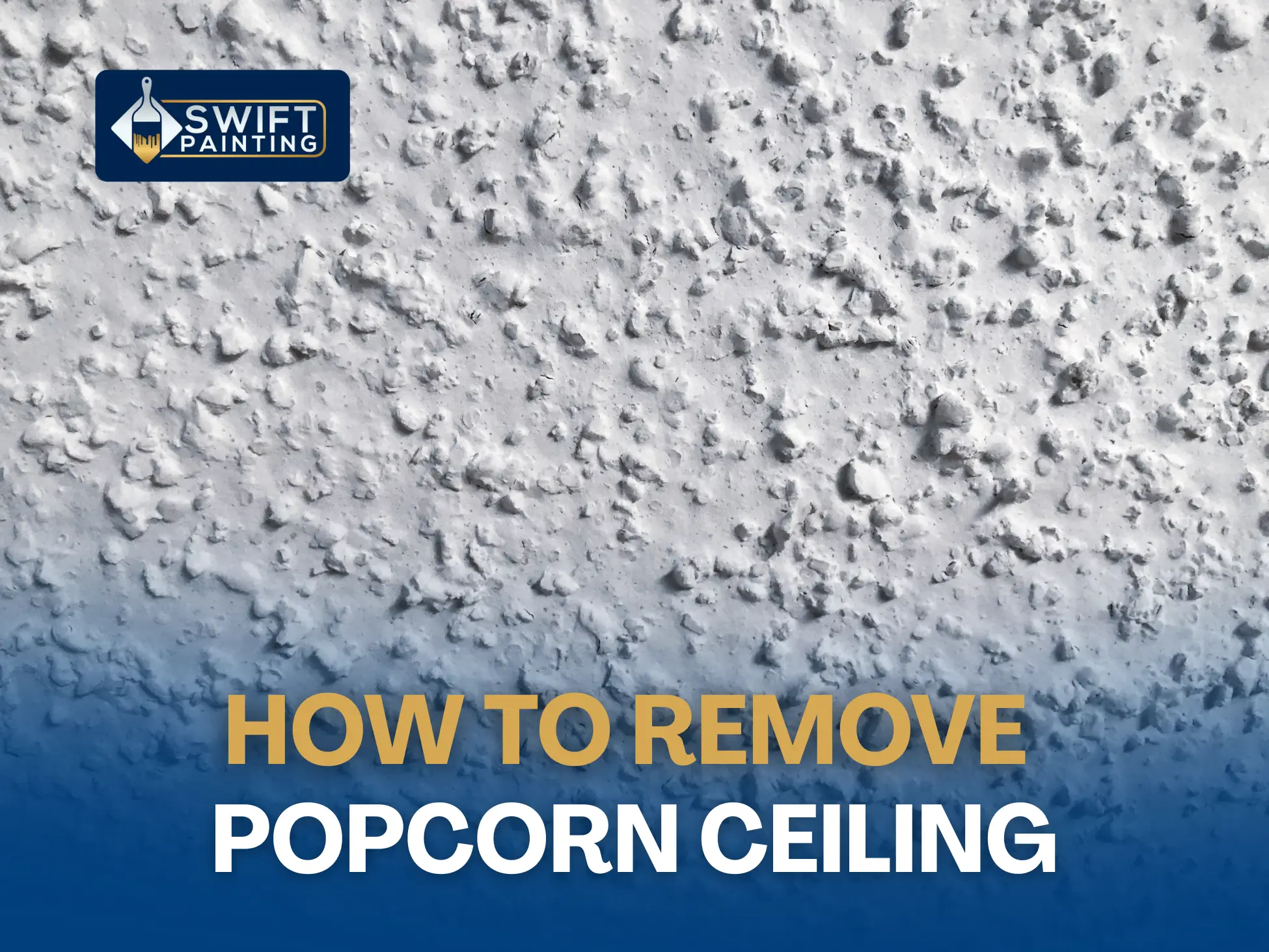
Popcorn ceilings feature spray-applied treatments creating bumpy surfaces from tiny particles. Most homes constructed between the 1930s-1990s contain this type of ceiling.
These ceilings offer benefits like concealing imperfections and providing sound-dampening qualities. However, they present serious concerns. Some popcorn ceilings contain asbestos, which poses health risks. Additionally, they accumulate dust and appear outdated. Given safer alternatives exist, removal becomes desirable.
Step 1: Does the Ceiling Have Asbestos?
Asbestos-containing popcorn ceilings require removal by trained professionals. Exposure to asbestos causes mesothelioma, lung cancer, and other serious respiratory problems. DIY test kits exist, but protective equipment—gloves, eye protection, masks—remains essential. Professional asbestos removal experts should handle contaminated ceilings.
Step 2: Get the Required Tools
For asbestos-free ceilings, gather necessary equipment: drywall taping knife, drop cloths, painter's tape, ladder, goggles, dust mask, and garden sprayer.
Step 3: Cover Everything
Scraping generates significant mess. Cover walls, flooring, and furniture. Remove wall hangings, light fixtures, and cover electrical outlets and HVAC vents. Open windows for ventilation and wear protective gear. Expect approximately 4 hours per 100 square feet, with extended timelines for beginners. The work is physically demanding.
Step 4: Scrape Away
So what's the best way to remove a popcorn ceiling? For ceilings that test negative for asbestos, wet scraping is widely considered the easiest and safest approach — it's far less dusty and typically less damaging to the drywall underneath than dry sanding. Wet scraping surpasses dry scraping in effectiveness. Spray ceiling sections with water, waiting 15 minutes for absorption. Use a drywall taping knife gently along wet sections to avoid gouging. Work systematically through small areas, repeating stubborn sections as needed. Sand, prime, and paint afterward. Joint compounds can repair damage.
Conclusion: How To Remove Popcorn Ceiling
The process proves challenging, time-consuming, and potentially hazardous. Ladder work presents risks, and asbestos uncertainty creates safety concerns. If you'd rather not spend a weekend trying to get rid of a popcorn ceiling yourself, professional expertise offers superior results compared to DIY attempts.
Swift Painting LLC provides residential painting services, including specialized popcorn ceiling removal with competitive pricing and guaranteed results.
Key Takeaways
Thorough surface preparation is essential before painting in South Louisiana.
Always verify licensing, workers comp, and general liability insurance before hiring.
Consult with Swift Painting LLC for expert Sherwin-Williams color matching.
Overview & Key Details
How To Remove Popcorn Ceiling
Popcorn ceilings feature spray-applied treatments creating bumpy surfaces from tiny particles. Most homes constructed between the 1930s-1990s contain this type of ceiling.
These ceilings offer benefits like concealing imperfections and providing sound-dampening qualities. However, they present serious concerns. Some popcorn ceilings contain asbestos, which poses health risks. Additionally, they accumulate dust and appear outdated. Given safer alternatives exist, removal becomes desirable.
Step 1: Does the Ceiling Have Asbestos?
Asbestos-containing popcorn ceilings require removal by trained professionals. Exposure to asbestos causes mesothelioma, lung cancer, and other serious respiratory problems. DIY test kits exist, but protective equipment—gloves, eye protection, masks—remains essential. Professional asbestos removal experts should handle contaminated ceilings.
Step 2: Get the Required Tools
For asbestos-free ceilings, gather necessary equipment: drywall taping knife, drop cloths, painter's tape, ladder, goggles, dust mask, and garden sprayer.
Step 3: Cover Everything
Scraping generates significant mess. Cover walls, flooring, and furniture. Remove wall hangings, light fixtures, and cover electrical outlets and HVAC vents. Open windows for ventilation and wear protective gear. Expect approximately 4 hours per 100 square feet, with extended timelines for beginners. The work is physically demanding.
Step 4: Scrape Away
So what's the best way to remove a popcorn ceiling? For ceilings that test negative for asbestos, wet scraping is widely considered the easiest and safest approach — it's far less dusty and typically less damaging to the drywall underneath than dry sanding. Wet scraping surpasses dry scraping in effectiveness. Spray ceiling sections with water, waiting 15 minutes for absorption. Use a drywall taping knife gently along wet sections to avoid gouging. Work systematically through small areas, repeating stubborn sections as needed. Sand, prime, and paint afterward. Joint compounds can repair damage.
Conclusion: How To Remove Popcorn Ceiling
The process proves challenging, time-consuming, and potentially hazardous. Ladder work presents risks, and asbestos uncertainty creates safety concerns. If you'd rather not spend a weekend trying to get rid of a popcorn ceiling yourself, professional expertise offers superior results compared to DIY attempts.
Swift Painting LLC provides residential painting services, including specialized popcorn ceiling removal with competitive pricing and guaranteed results.
Ready to Transform Your Home?
Whether you need exterior repainting, interior transformations, or custom cabinet spray refinishing, Swift Painting LLC delivers flawless results engineered for Louisiana homes.
Contact our expert team today for your free written proposal.