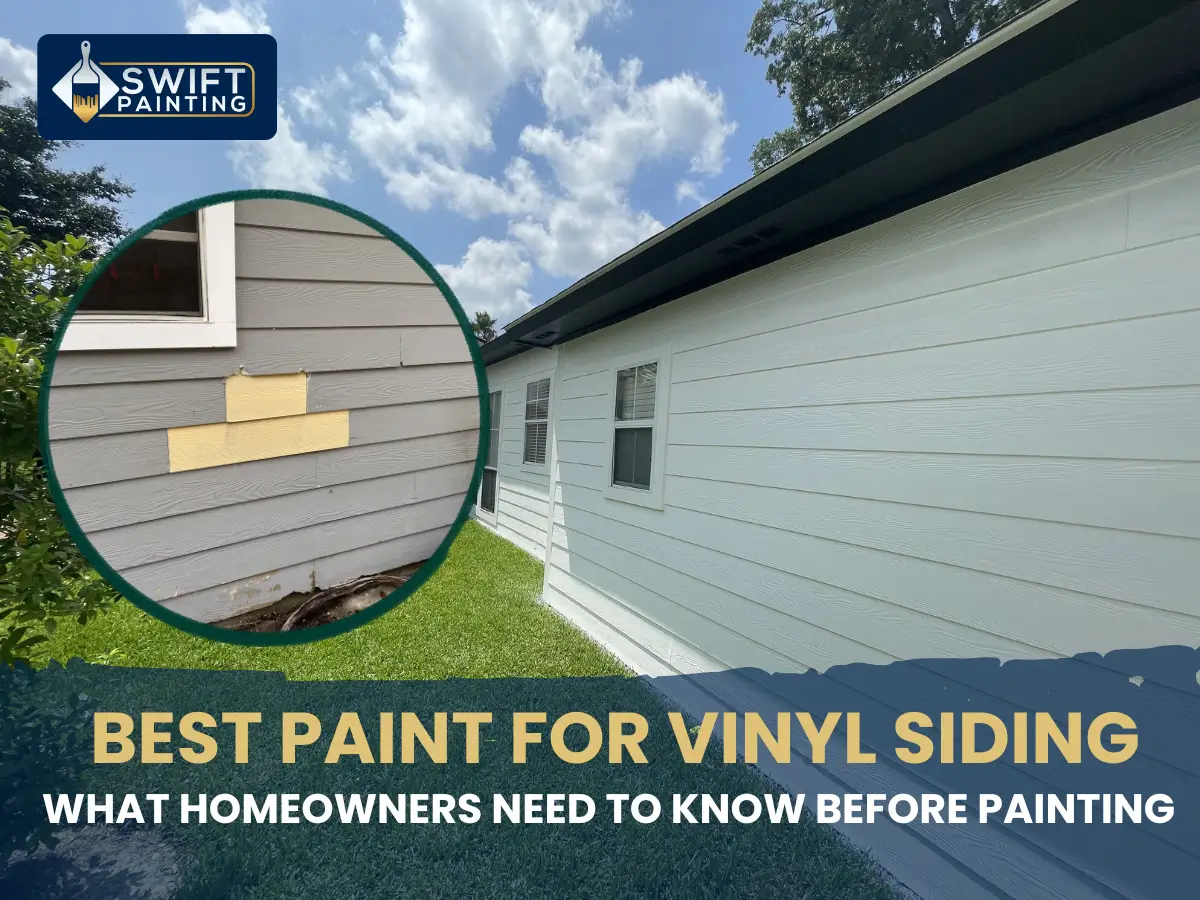
If your vinyl siding is faded, chalky, or simply outdated, painting it can be a smart and cost-effective alternative to replacement. The key is choosing the right coating, proper color selection, and following manufacturer guidelines to prevent warping, peeling, or premature failure.
Many homeowners wonder whether painting vinyl siding is worth it. In most cases, the answer is yes. Modern exterior coatings are designed to bond well to vinyl surfaces, improve curb appeal, and extend the life of existing siding when applied correctly. However, not every paint product is suitable, and certain color choices can create problems if they absorb too much heat.
This guide explains how to choose the best paint for vinyl siding, what to expect from the process, how long results typically last, and whether painting or replacement makes more sense for your home.
Key Takeaways
Thorough surface preparation is essential before painting in South Louisiana.
Always verify licensing, workers comp, and general liability insurance before hiring.
Consult with Swift Painting LLC for expert Sherwin-Williams color matching.
Can Vinyl Siding Actually Be Painted?
One of the biggest misconceptions about vinyl siding is that it cannot be painted. While this may have been true decades ago when paint technology was more limited, modern exterior paints have changed that.
Today's premium acrylic coatings are engineered to expand and contract with exterior materials while maintaining adhesion through changing weather conditions. This flexibility is particularly important because vinyl siding naturally moves as temperatures fluctuate.
Painting works best when the siding is structurally sound. If panels are cracked, severely warped, loose, or experiencing widespread damage, repairs should be completed before any coating is applied. Paint can refresh appearance, but it cannot solve underlying structural issues.
Homeowners who find painting vinyl siding as a good idea are often comparing appearance, longevity, and cost. For siding that remains in good condition, painting can provide a dramatic transformation at a fraction of the cost of a full replacement project.
Why More Homeowners Are Choosing to Paint Instead of Replace
Exterior renovations can become expensive quickly. Replacing siding often involves material costs, labor, disposal fees, and potential repairs uncovered during installation.
Painting offers an opportunity to refresh the appearance of a home while preserving existing materials. This makes it especially appealing when the siding is faded but otherwise functional.
Beyond affordability, painting also provides greater design flexibility. Many homes were built with colors that no longer match current preferences. Rather than living with outdated beige, gray, or pastel shades, homeowners can update their exterior to better reflect modern styles.
Another advantage is reduced project disruption. Repainting typically takes far less time than a full siding replacement, allowing homeowners to improve curb appeal without a major construction project.
What Kind of Paint Works Best on Vinyl Siding?
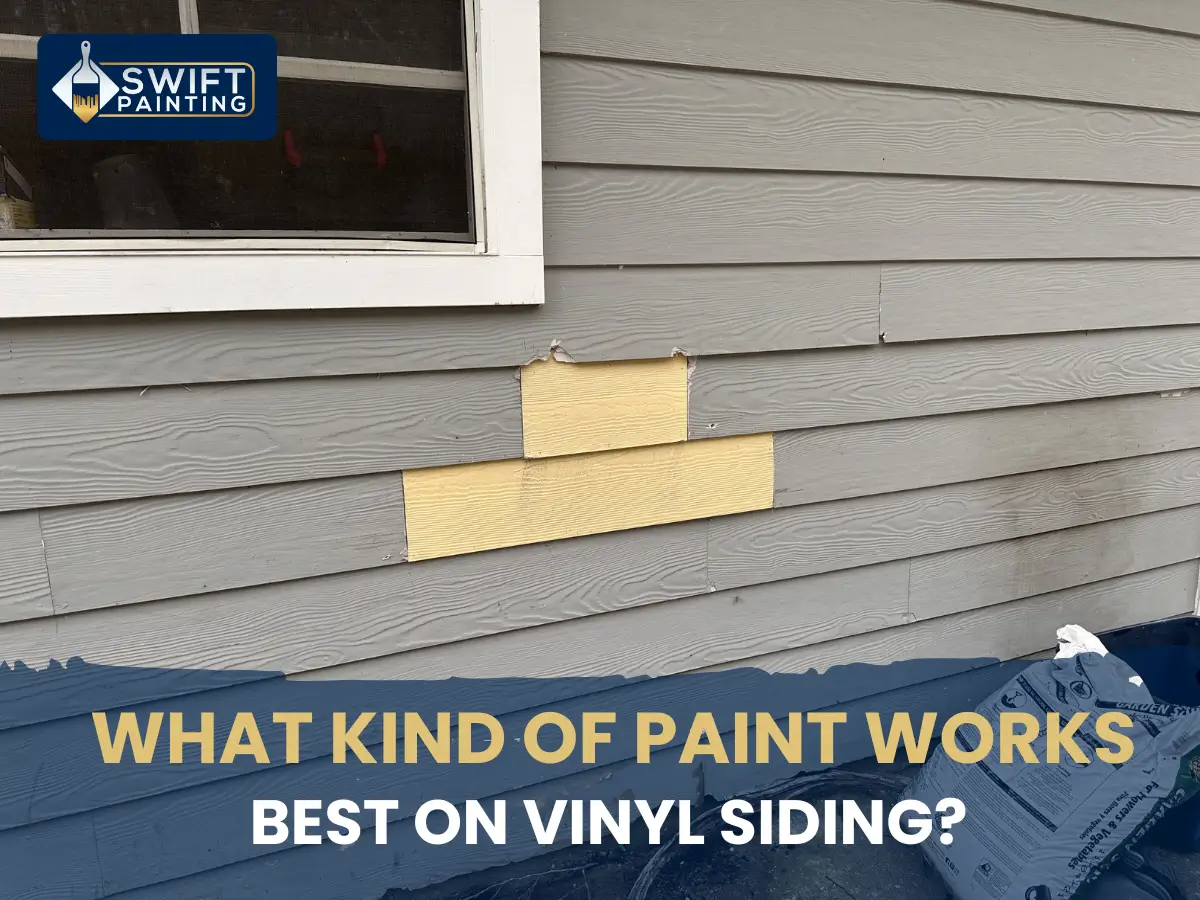
One of the most common questions homeowners ask is what kind of paint for vinyl siding produces the best long-term results.
The answer is high-quality exterior acrylic paint specifically formulated for use on vinyl surfaces. These products are designed to maintain flexibility, resist weather exposure, and adhere properly to non-porous materials. When homeowners search for the best paint for vinyl siding, what they typically land on — and what professionals consistently recommend — is a 100% acrylic paint for vinyl siding rather than a blended or lower-grade acrylic latex, since the full acrylic resin content is what gives the coating its flexibility and adhesion on a non-porous surface.
Paint manufacturers have developed specialized formulas that help reduce heat absorption and improve durability on vinyl substrates. Many of these coatings are marketed as vinyl safe exterior paint because they are engineered to minimize the risk of warping that can occur when siding becomes excessively hot.
When evaluating paint options, look for products that offer:
- Excellent adhesion to vinyl
- UV resistance
- Fade protection
- Flexible film formation
- Moisture resistance
- Long-term color retention
Premium products often cost more initially, but they generally provide better performance and longer service life than lower-grade alternatives.
Understanding Vinyl-Safe Colors
Color selection is one of the most important factors in a successful siding painting project.
Vinyl siding absorbs and reflects heat differently than wood, fiber cement, or masonry. When a significantly darker color is applied, the siding may absorb more solar heat than it was originally designed to handle.
Excessive heat buildup can lead to distortion, warping, or buckling in certain situations. To address this concern, paint manufacturers now offer color collections specifically developed for vinyl surfaces.
These specialized color systems allow homeowners to explore deeper shades while reducing the risk associated with heat absorption. While dramatic color changes are possible, working within manufacturer recommendations remains important for long-term performance.
Before selecting a new color, homeowners should review product specifications and confirm compatibility with vinyl applications.
How Long Does Painted Vinyl Siding Last?
The lifespan of a paint job depends on several factors, including climate, preparation quality, paint selection, and ongoing maintenance.
When high-quality products are applied correctly, painted vinyl siding commonly lasts between 8 and 15 years before significant repainting becomes necessary.
Homes exposed to intense sunlight, coastal conditions, or extreme weather may experience faster wear than properties located in milder environments. South-facing walls often receive the greatest UV exposure and may show fading sooner than shaded areas.
Proper surface preparation is a major factor in longevity. Dirt, mildew, oxidation, and chalky residue can interfere with adhesion if not thoroughly removed before painting.
Regular cleaning can help preserve the finish and extend the life of the coating. Removing accumulated dirt and organic growth prevents unnecessary deterioration and helps maintain curb appeal for years.
The Most Common Mistakes Homeowners Make
Many disappointing paint projects can be traced back to avoidable mistakes rather than product failure.
One of the most common issues is skipping surface preparation. Vinyl siding naturally collects dirt, pollen, mildew, and environmental contaminants. Painting over these materials reduces adhesion and increases the likelihood of peeling.
Another frequent mistake is selecting low-quality paint. While budget products may appear attractive from a cost standpoint, they often lack the flexibility and durability required for exterior vinyl surfaces.
Color selection mistakes also create problems. Applying a color significantly darker than manufacturer recommendations can increase heat absorption and potentially affect siding performance.
Weather conditions matter as well. Painting during extreme heat, excessive humidity, or impending rain can negatively impact curing and finish quality.
Before and After Painting Vinyl Siding: What Changes Can You Expect?
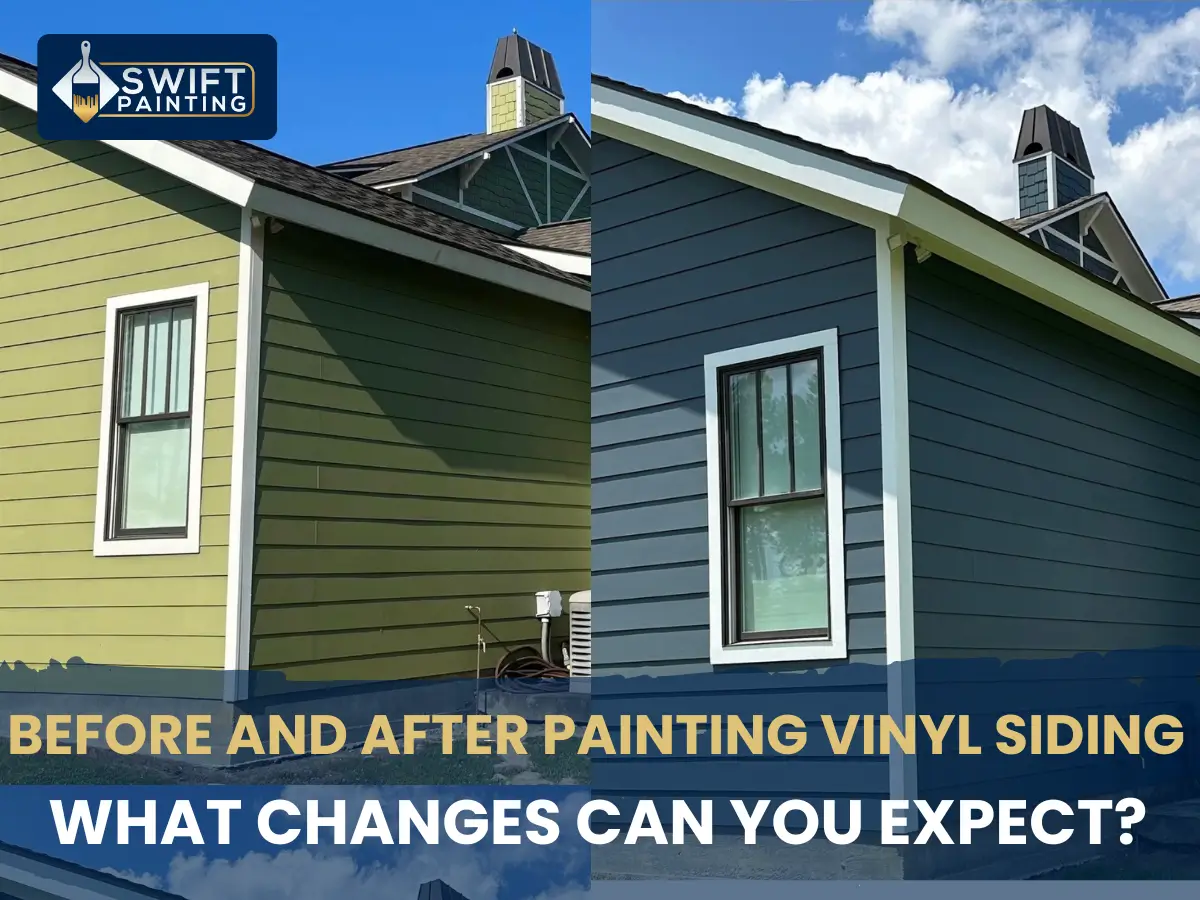
One reason painting continues to gain popularity is the dramatic visual improvement it can create.
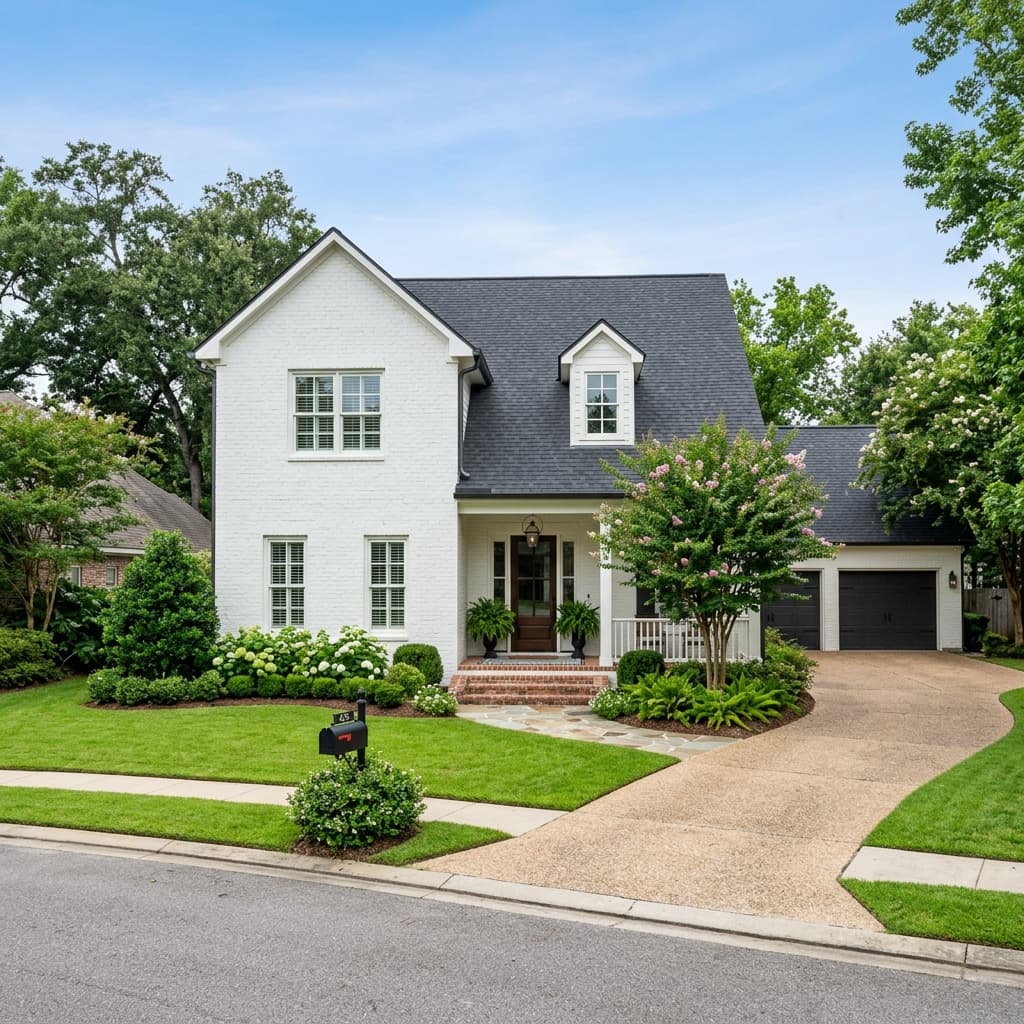
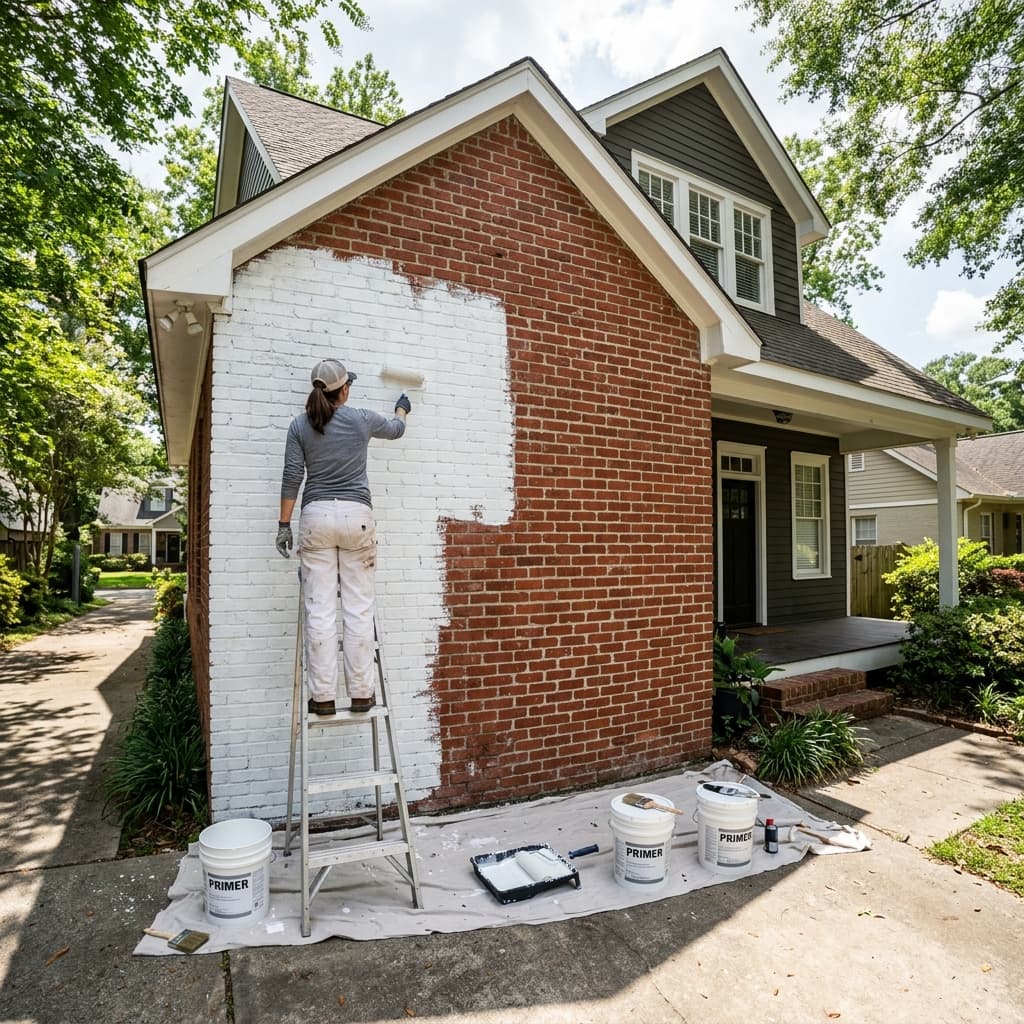
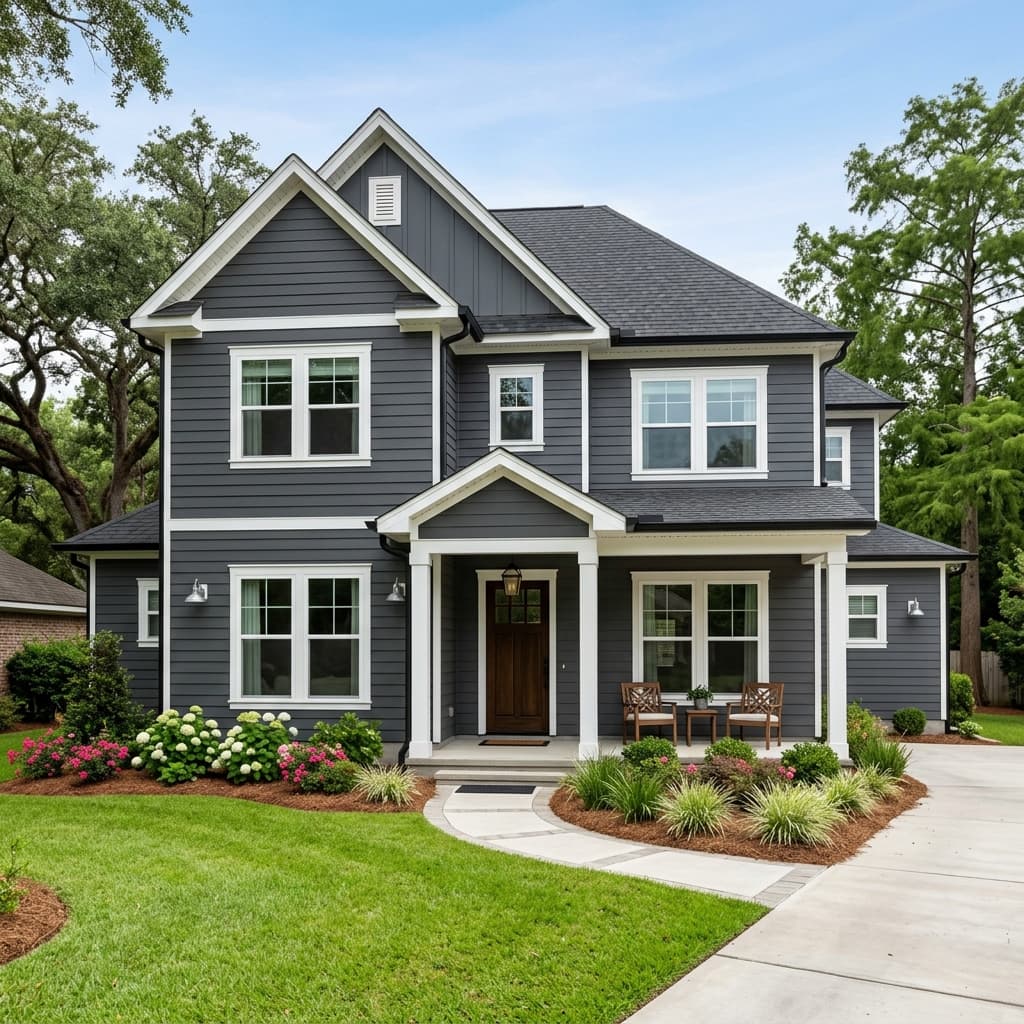
The difference seen in many before and after painting vinyl siding projects goes beyond color alone. Fresh coatings can restore uniformity, improve perceived cleanliness, and make an older home appear significantly newer.
Faded siding often develops uneven coloration due to years of sun exposure. A professionally applied finish creates a more consistent appearance across the entire exterior.
Painting can also help modernize architectural styles. Homes built decades ago frequently feature color schemes that no longer align with current design preferences. Updated exterior colors can improve curb appeal and help a property stand out positively in the neighborhood.
While paint cannot repair structural damage, it can dramatically improve aesthetics when the siding remains in good condition.
Is Spray Painting Vinyl Siding Better Than Rolling?
Homeowners researching exterior painting often come across discussions about vinyl spray paint applications.
Professional painters frequently use spray equipment because it creates a smooth, consistent finish across large surfaces. Spraying can also improve efficiency and reach areas that are difficult to coat with traditional methods.
However, spraying requires proper masking and overspray control. Nearby landscaping, windows, fixtures, and vehicles must be protected throughout the project.
In many professional applications, spraying is combined with back-rolling or back-brushing to improve paint penetration and adhesion. The ideal method depends on siding profile, project conditions, and manufacturer recommendations.
While spraying can produce excellent results, surface preparation and product selection remain far more important than the application method itself.
The Best Types of Paint for Vinyl Siding Long-Lasting Results
Not all exterior paints perform the same on vinyl surfaces. Premium 100% acrylic latex paints consistently deliver the best results because they provide flexibility, strong adhesion, and resistance to weather exposure.
Manufacturers continue to improve coatings designed specifically for vinyl, allowing homeowners to choose from a broader range of colors than ever before. Products that include vinyl-safe technology help minimize excessive heat absorption while maintaining color durability.
When looking for the best vinyl siding paint, focus on performance rather than price alone. A premium paint may cost more upfront, but it often lasts several years longer than lower-grade alternatives, reducing the overall lifetime cost of maintenance.
Several well-known paint manufacturers offer vinyl-compatible exterior coatings, including:
- Sherwin-Williams VinylSafe® color options
- Benjamin Moore Regal Select Exterior
- Benjamin Moore Aura Exterior
- Behr Premium Plus Exterior Paint
- PPG Permanizer Exterior Paint
Homeowners can also review guidance from the Vinyl Siding Institute regarding siding maintenance and care recommendations.
The Real Cost to Paint Vinyl Siding
The cost to paint vinyl siding varies depending on home size, condition, location, labor rates, and paint quality.
For most homes, painting typically costs significantly less than replacing siding. While replacement projects can reach tens of thousands of dollars, painting generally represents a fraction of that investment.
Several factors influence overall project pricing:
Home Size
Larger homes naturally require more labor, preparation, and paint.
Condition of Existing Siding
Siding that requires extensive cleaning, mildew removal, repairs, or preparation work will increase labor costs.
Paint Quality
Premium exterior coatings cost more initially but often provide better durability and longer repaint cycles.
Accessibility
Multi-story homes, steep grades, and difficult access areas may require additional equipment and labor.
While every project differs, painting remains one of the most affordable ways to dramatically improve curb appeal without replacing otherwise functional siding.
Pros and Cons of Painting Vinyl Siding
Understanding the pros and cons of painting vinyl siding helps homeowners make an informed decision.
Advantages
Painting offers substantial savings compared to replacement. It can dramatically improve curb appeal, update outdated colors, and extend the visual life of existing siding.
Modern paints provide excellent durability and color retention when properly applied. Homeowners also gain far greater design flexibility than they had when the siding was originally installed.
For homes with structurally sound siding, painting is often the fastest way to achieve a noticeable exterior transformation.
Potential Drawbacks
Painted siding eventually requires maintenance and repainting. Unlike factory-colored vinyl, painted surfaces will experience gradual wear over time.
Color selection must be handled carefully to avoid excessive heat absorption. In addition, poor preparation can lead to adhesion issues that shorten coating life.
Painting is not a solution for severely damaged, brittle, or warped siding. Structural problems should always be addressed before cosmetic improvements.
Paint or Replace Vinyl Siding: Which Makes More Sense?
One of the most common homeowner questions is whether to paint or replace vinyl siding.
The answer depends largely on the condition of the existing material.
If the siding remains structurally sound, painting is usually the more economical option. It provides a fresh appearance, increases curb appeal, and can extend the useful life of the exterior for years.
Replacement becomes more attractive when siding has extensive cracking, severe warping, widespread moisture damage, or recurring maintenance problems.
A simple way to evaluate the decision is to ask whether the siding's issues are cosmetic or structural.
Cosmetic problems such as fading, discoloration, and outdated colors are often excellent candidates for painting.
Structural deterioration generally points toward replacement.
For many homeowners, the ideal approach is to repair isolated damage and paint the remaining siding rather than replacing the entire exterior.
Choosing the Right Exterior Color
Color selection affects more than appearance.
Lighter and medium shades generally perform best because they reflect more sunlight and reduce heat absorption. Fortunately, advances in paint technology have expanded the range of darker colors that can safely be used on vinyl.
Popular modern choices include:
- Warm white
- Soft gray
- Greige
- Sage green
- Light blue-gray
- Taupe
- Coastal beige
Homeowners considering dramatic color changes should consult manufacturer guidelines to ensure compatibility with vinyl surfaces.
How to Make a Painted Finish Last Longer
A quality paint job can provide years of performance, but proper maintenance makes a noticeable difference.
Annual inspections help identify dirt accumulation, mildew growth, or minor issues before they become larger problems. Gentle washing every year or two can help maintain appearance and prevent contaminants from degrading the finish.
Trees and shrubs should be trimmed away from siding whenever possible. Constant moisture and abrasion from vegetation can accelerate wear.
Addressing minor damage quickly also prevents larger repairs later.
According to maintenance recommendations from the National Association of Home Builders, routine exterior upkeep is one of the most effective ways to preserve a home's appearance and value over time.
What Most Homeowners Overlook Before Starting
Many people focus entirely on paint selection and color while overlooking the condition of the siding itself.
Before investing in any exterior painting project, inspect for loose panels, hidden moisture issues, damaged trim, and failed caulking. These areas can affect the longevity of the finished project regardless of paint quality.
Another overlooked factor is climate. Homes in humid regions, coastal environments, or areas with intense UV exposure place greater demands on exterior coatings.
Understanding local weather conditions helps homeowners choose products that match the challenges their homes face throughout the year.
Final Thoughts
Painting vinyl siding can be an excellent investment when the existing siding is still in good condition. Modern exterior coatings offer impressive durability, color retention, and flexibility, allowing homeowners to refresh their home's appearance without the expense of a complete replacement.
The most successful projects begin with realistic expectations, proper preparation, high-quality materials, and colors designed for vinyl applications. When those factors come together, painted siding can provide years of improved curb appeal and protection.
For homeowners considering an exterior transformation, working with experienced professionals can help avoid common mistakes and maximize long-term results. At Swift Painting LLC, we often help homeowners evaluate whether painting is the right solution for their siding condition and long-term goals. A well-planned project can dramatically improve a home's appearance while extending the life of existing materials.
What is the best paint for vinyl siding?
High-quality 100% acrylic exterior paint designed for vinyl surfaces is generally the best choice. These coatings offer flexibility, weather resistance, strong adhesion, and long-term durability.
Is it cost-effective to paint 20-year-old vinyl siding?
Yes, absolutely. Painting costs roughly 70% to 80% less than a full siding replacement while extending its lifespan by another 10 to 15 years provided the vinyl is still structurally sound, free of major cracks or severe warping, and prepped with a 100% acrylic, vinyl-safe paint.
How long does painted vinyl siding last?
Most professionally painted vinyl siding lasts between 8 and 15 years, depending on climate, paint quality, preparation, and maintenance.
Can you use spray paint on vinyl siding?
Professional spray equipment is commonly used on exterior painting projects because it creates a smooth, consistent finish. Proper preparation and product selection remain more important than the application method.
Will paint peel off vinyl siding?
Properly prepared and painted vinyl siding should not peel prematurely. Most peeling problems result from poor surface preparation, incompatible products, or application errors.
Can vinyl siding be painted a darker color?
Yes, but only within manufacturer recommendations. Many modern coatings offer vinyl-safe color technology designed to reduce heat absorption and lower the risk of warping.
Is painting cheaper than replacing siding?
In most cases, yes. Painting costs considerably less than a full siding replacement and can significantly improve appearance when the siding remains in good condition.
Does painted vinyl siding require maintenance?
Yes. Occasional cleaning, routine inspections, and prompt repairs help maximize the lifespan of the coating and keep the exterior looking its best.
What is the best paint to use on vinyl siding?
Use a premium 100% acrylic latex exterior paint. Acrylic paint provides the extreme flexibility needed to expand and contract with natural temperature changes without cracking, peeling, or blistering.
Ready to Transform Your Home?
Whether you need exterior repainting, interior transformations, or custom cabinet spray refinishing, Swift Painting LLC delivers flawless results engineered for Louisiana homes.
Contact our expert team today for your free written proposal.