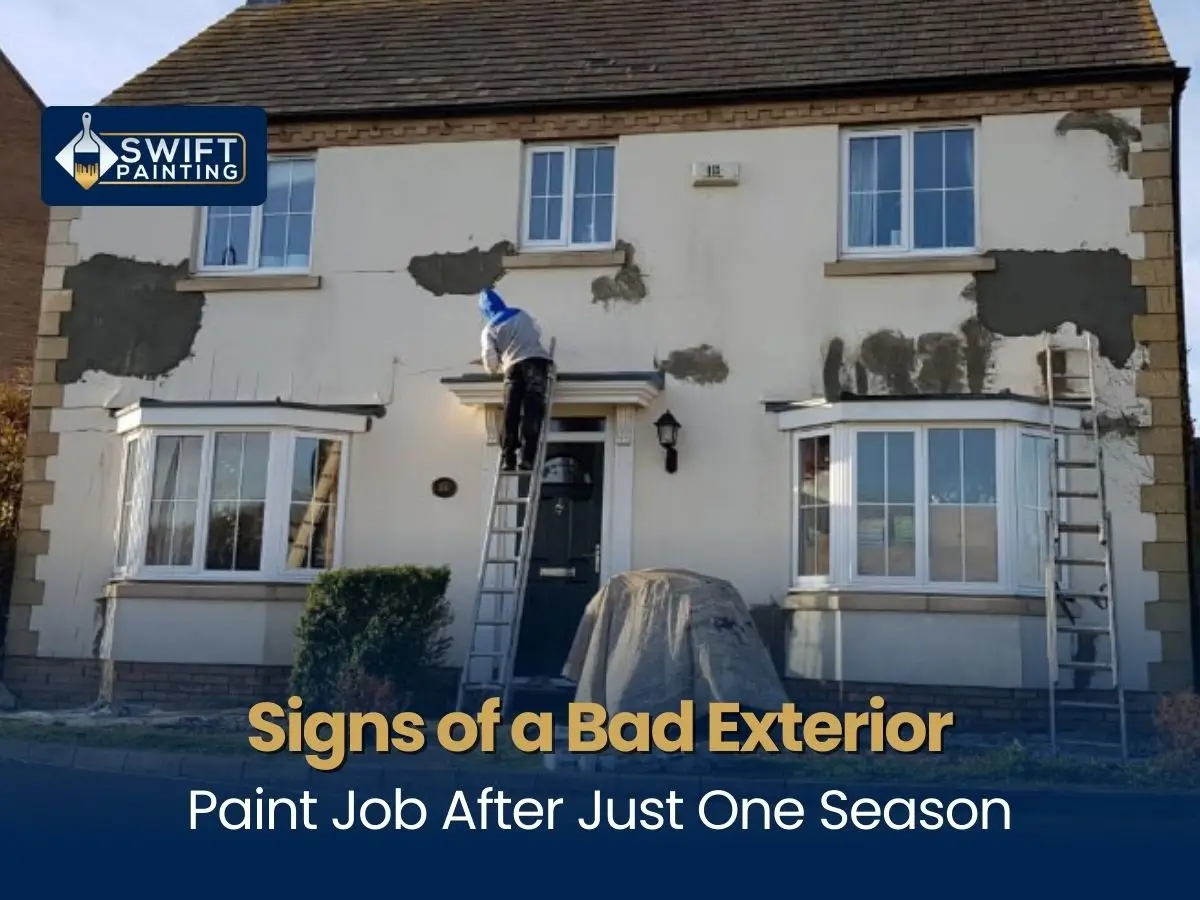
The first warm spring rolls in. Sunlight hits your house just right. And suddenly, what once looked "fresh" now looks tired, cracked, or strangely uneven. Paint shouldn't age this fast. When exterior paint starts failing after just one season, it's rarely bad luck. It's usually a warning.
A quality exterior paint job should protect your home for years, not months. When it doesn't, the problem often runs deeper than what you see on the surface. In Baton Rouge's heat, humidity, and sudden weather shifts, shortcuts show themselves fast. This guide breaks down the real signs of a bad exterior paint job, why they happen, and what homeowners should do before small issues turn into expensive repairs.
Key Takeaways
Thorough surface preparation is essential before painting in South Louisiana.
Always verify licensing, workers comp, and general liability insurance before hiring.
Consult with Swift Painting LLC for expert Sherwin-Williams color matching.
Why Exterior Paint Jobs Fail So Quickly
Paint doesn't fail randomly. When exterior paint breaks down within months, it's almost always the result of shortcuts, poor materials, or rushed labor.
Common reasons include:
Inadequate surface cleaning - Painting over moisture - Incorrect primer selection - Low-quality paint products - Inexperienced or rushed crews
These mistakes lead directly to exterior paint failure, even on newer homes.
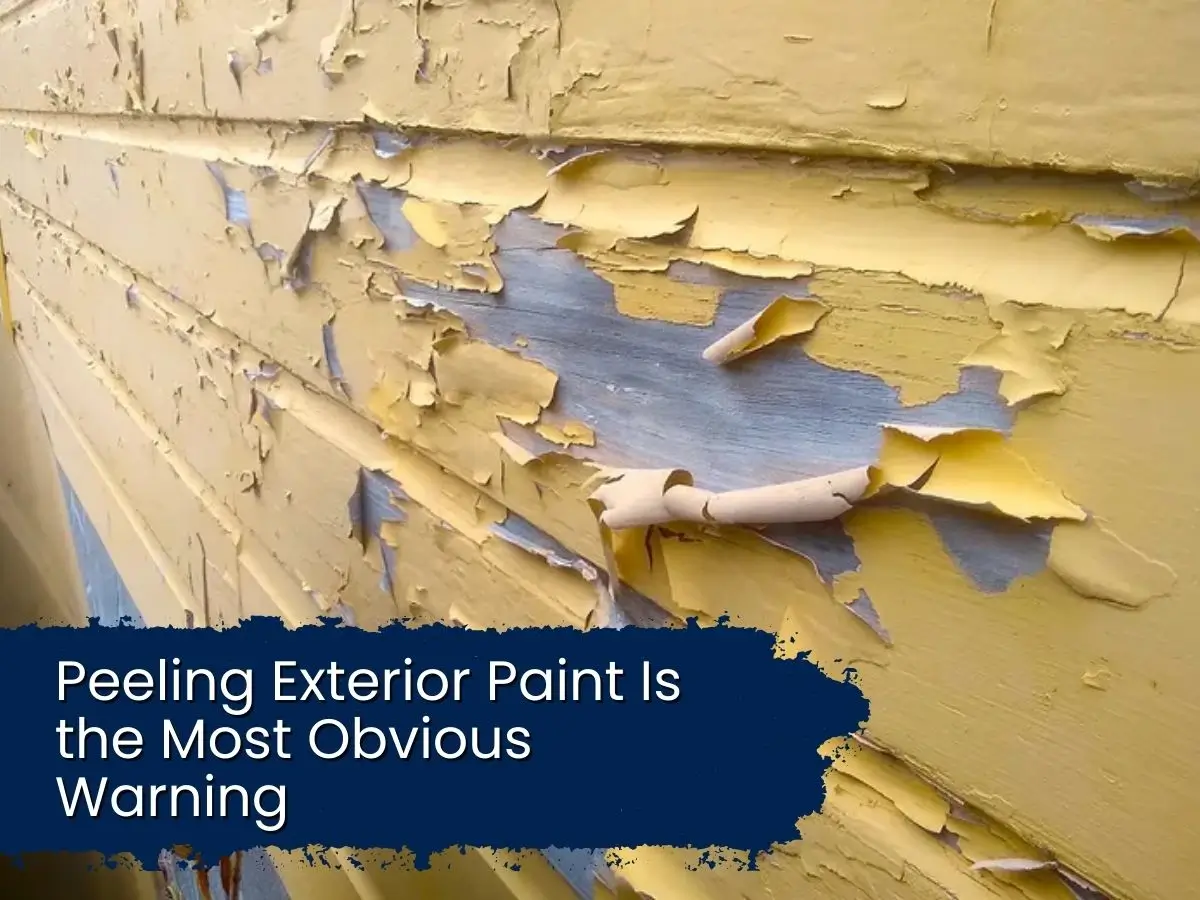
Peeling Exterior Paint Is the Most Obvious Warning
Paint should never peel after one season. When layers begin lifting, curling, or falling off, it means the paint never bonded properly.
Peeling exterior paint is usually caused by:
Moisture trapped beneath the surface - Painting over dirt, mildew, or chalky residue - Skipping the primer or using the wrong type
Once peeling starts, the surface underneath is exposed to the weather, accelerating damage.
Paint Adhesion Issues Show Up Early
Paint adhesion issues don't always start dramatically. Sometimes they begin with small flakes, thin cracks, or paint pulling away from edges.
Signs of adhesion failure include:
Paint separating from siding or trim - Chips appearing after light contact - Flaking near doors, windows, and seams
Poor adhesion almost always traces back to poor paint preparation.
Bubbling and Blistering After Heat or Rain
Bubbles under paint indicate trapped air or moisture. Over time, these blisters burst, leaving bare patches behind.
This happens when:
Paint is applied in high humidity - Surfaces aren't fully dry - Coats are applied too thickly, too fast
Blistering is one of the most common exterior paint problems in southern climates.
Uneven Color and Patchy Coverage
A professional paint job should look consistent in morning light, afternoon sun, and evening shade. Patchy or uneven color is a clear red flag.
Uneven results usually come from:
Thin or rushed coats - Poor-quality paint with weak pigmentation - Inconsistent application techniques
This type of result reflects bad paint workmanship, not natural wear.
Cracking Paint Means the Surface Can't Flex
Exterior surfaces expand and contract with temperature changes. Quality paint moves with them. Cheap or improperly applied paint doesn't.
Early cracking is often caused by:
Using interior-grade paint outdoors - Applying paint too thickly in one coat - Painting over unstable or damaged surfaces
Once cracks appear, water infiltration follows quickly.
Paint Failure Around Trim and Edges
Trim, joints, and corners are stress points. They reveal mistakes faster than flat surfaces.
Watch for:
Paint pulling away from trim lines - Exposed wood at joints - Rough, unfinished edges
These details expose poor paint preparation more clearly than any wall.
Chalking and Premature Fading
If paint leaves a powdery residue on your hand, it's breaking down too fast. This chalking is a sign of low-quality paint or improper application.
Chalking leads to:
Dull, lifeless color - Reduced UV protection - Increased moisture absorption
Fading and chalking are common signs of a bad exterior paint job failure.
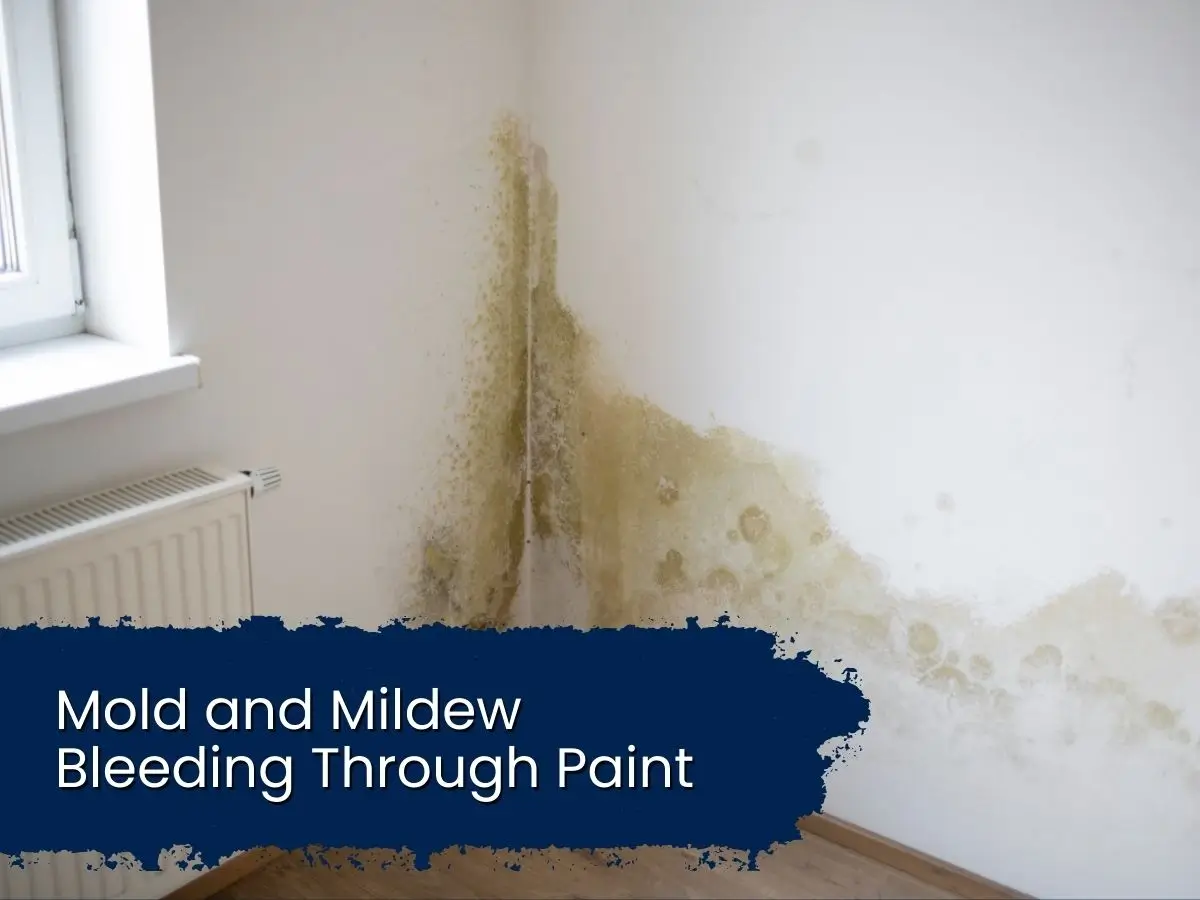
Mold and Mildew Bleeding Through Paint
Exterior paint should resist mildew, not trap it. When dark stains bleed through new paint, it means the surface wasn't properly treated.
This happens when:
Mildew isn't removed before painting - No mildew-resistant primer is used - Moisture problems are ignored
Paint can't hide biological growth. It only masks it temporarily.
Why Poor Preparation Causes Most Paint Problems
Preparation isn't glamorous, but it's everything. Paint sticks to clean, stable surfaces. When prep is skipped, failure is inevitable.
Proper prep includes:
Power washing to remove dirt and mildew - Scraping loose or failing paint - Sanding rough or glossy areas - Repairing damaged wood or siding - Allowing surfaces to fully dry
Skipping any of these steps leads directly to common exterior paint problems.
Cheap Paint Costs More in the Long Run
Low-cost paint may save money upfront, but it rarely lasts. Inferior binders, weak pigments, and poor UV resistance shorten lifespan dramatically.
Low-quality paint results in:
Faster fading - Reduced adhesion - Increased cracking and peeling
A quality paint system is an investment in durability.
How Baton Rouge Weather Exposes Bad Work Fast
Heat, humidity, and rain don't cause paint failure. They reveal it. In Baton Rouge, exterior paint faces constant stress.
Weather challenges include:
High moisture levels - Intense UV exposure - Sudden temperature swings
Only properly prepared and applied paint systems can withstand these conditions.
Early Warning Signs Homeowners Often Overlook
Many homeowners assume early issues are normal. They're not. Exterior paint should remain intact and vibrant for years.
Early warning signs often ignored:
Small chips or flakes - Slight bubbling near the trim - Uneven sheen in sunlight
In plain terms, bad paint usually looks like one of a few things: dull, chalky color that rubs off on your hand; cracks that form a fine spiderweb pattern, especially at corners; or paint that has visibly separated from the surface in small curls or flakes. If you're seeing any of that within a year of a paint job, it's not normal wear, it's a workmanship or product problem.
These same red flags aren't limited to exteriors, either. A bad interior paint job tends to show similar symptoms, peeling near trim, uneven sheen, cracking, but the causes are usually different indoors, such as painting over humidity in bathrooms or skipping primer on repaired drywall rather than sun and rain exposure.
Catching these early can prevent widespread damage.
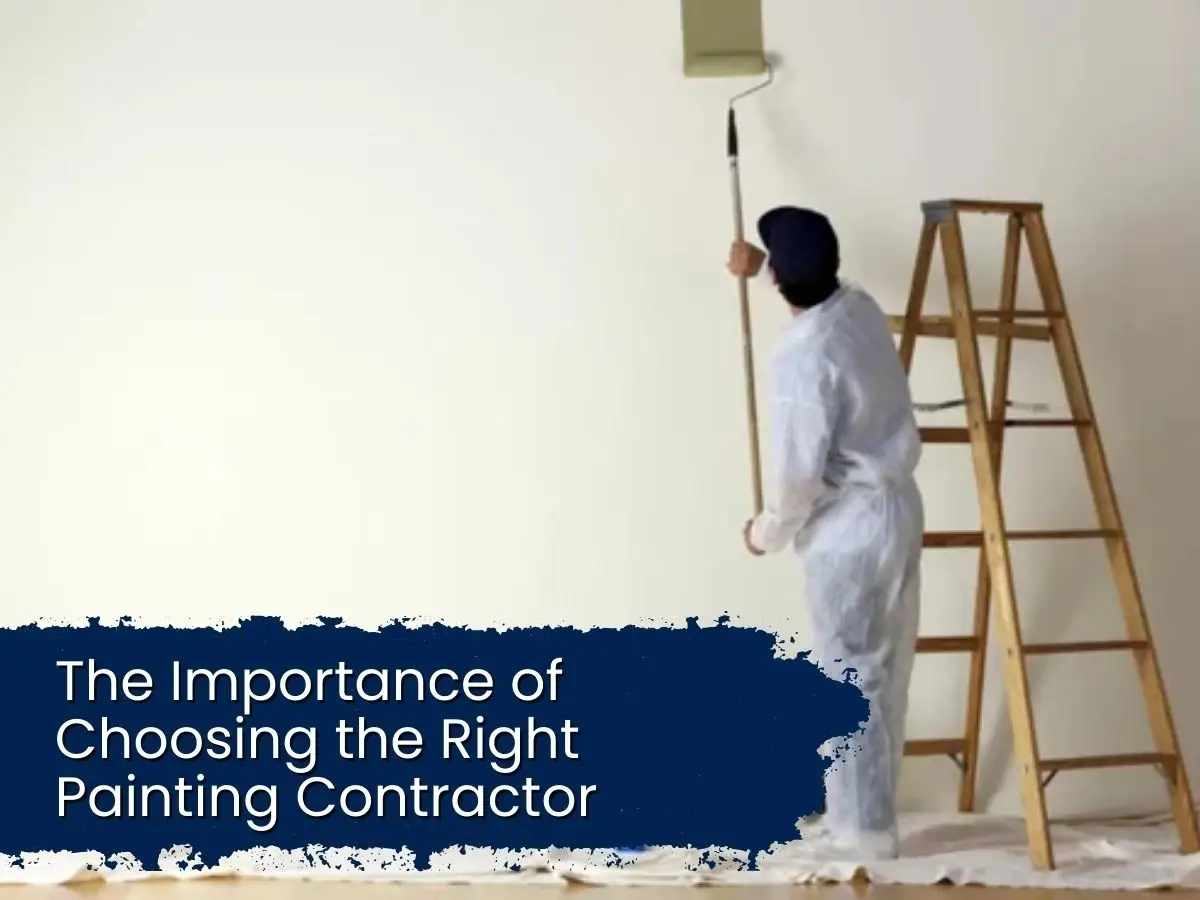
The Importance of Choosing the Right Painting Contractor
Exterior painting isn't just about color. It's a protective process requiring skill, patience, and experience.
A professional contractor focuses on:
Surface evaluation before painting - Climate-appropriate products - Proper drying times - Detailed final inspections
This is where quality separates itself.
Why Choose Swift Painting LLC
Swift Painting LLC approaches exterior painting as a system, not a shortcut. Every project begins with preparation and ends with precision.
Homeowners choose Swift Painting LLC because of:
Thorough surface prep and repair - Premium exterior paint products - Skilled, detail-focused crews - Clear communication and honest timelines
The goal is paint that protects, not paint that peels.
Conclusion
Paint shouldn't surprise you after one season. When it does, it's trying to tell you something. Early peeling, bubbling, fading, or cracking are not cosmetic quirks. They're symptoms of deeper problems that only grow with time.
Understanding the signs of a bad exterior paint job helps homeowners act early, protect their investment, and avoid repeat failures. In Baton Rouge's demanding climate, quality painting isn't optional. It's essential.
If your exterior paint is already showing signs of a bad exterior paint job, don't wait for damage to spread. Call Swift Painting LLC today for a professional exterior paint evaluation in Baton Rouge. Protect your home, restore confidence, and choose a painting contractor that builds for the long run.
Frequently Asked Questions
What is the most common cause of exterior paint failure?
"Poor surface preparation. Without proper cleaning, drying, and priming, paint cannot adhere correctly, especially in humid climates like Baton Rouge."
How soon should exterior paint start showing wear?
Quality exterior paint should last several years before wear becomes noticeable. Issues within one season typically indicate workmanship or material problems.
Can peeling exterior paint be fixed without repainting everything?
In some cases, localized repairs are possible. However, widespread peeling often means underlying prep issues that require a comprehensive solution.
Does Baton Rouge weather affect paint durability?
Yes. Heat, humidity, UV exposure, and rain all accelerate paint breakdown when improper materials or techniques are employed.
How do I avoid hiring a contractor who does bad paint work?
Seek licensed and insured contractors, inquire about prep processes, materials used, and timelines, and review past projects. Transparent communication indicates quality workmanship.
Ready to Transform Your Home?
Whether you need exterior repainting, interior transformations, or custom cabinet spray refinishing, Swift Painting LLC delivers flawless results engineered for Louisiana homes.
Contact our expert team today for your free written proposal.