
Updating your kitchen cabinets can feel like stepping into a time machine. One moment you're living in the drab 90s, the next, bam!, you've got a sleek, modern vibe that turns your kitchen into the heart of your home. But not all paints are created equal. If you want cabinets that last, resist chips, and stay glossy without constant touch-ups, oil-based paint is your secret weapon.
Whether you're a DIY enthusiast or hiring pros, understanding the best oil-based paint for cabinets will save you money, frustration, and a lot of sleepless nights staring at peeling edges.
Key Takeaways
Thorough surface preparation is essential before painting in South Louisiana.
Always verify licensing, workers comp, and general liability insurance before hiring.
Consult with Swift Painting LLC for expert Sherwin-Williams color matching.
Oil vs Latex Cabinet Paint: What Actually Holds Up
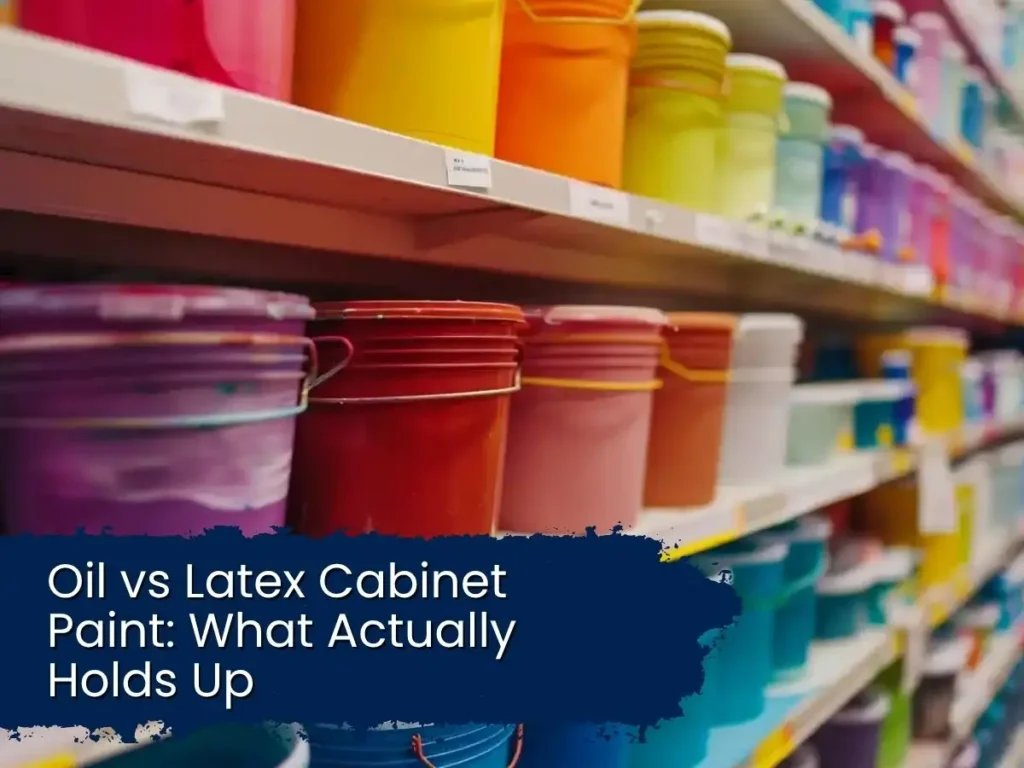
Cabinet paint isn't just about color. It's about survival. Every day, your cabinets deal with heat, grease, fingerprints, and the occasional slam when dinner goes wrong.
That's where the difference shows.
Oil-based paint forms a hard shell over the surface. It dries slower, but that's exactly why it looks smoother. The paint has time to settle, level out, and create that sleek, almost factory finish.
Latex paint, on the other hand, dries fast. Convenient? Yes. Durable? Not always. Over time, it's more likely to chip, especially on high-touch areas like cabinet doors.
If cabinets were furniture, oil-based would be hardwood. Latex would be laminated. Both work, but one clearly lasts longer under pressure.
The same logic applies beyond cabinets. If you're also weighing the best oil-based paint for wood trim, doors, or built-ins elsewhere in the house, the same hard, durable finish that protects cabinet doors from daily use holds up just as well on high-traffic trim and interior doors, so it's worth using the same product across those surfaces for a consistent look and fewer paint cans to manage.
Alkyd Cabinet Paint: The Modern Upgrade
Alkyd paint sits right in the sweet spot. It behaves like oil paint but skips some of the headaches.
* Dries faster than traditional oil * Still cures into a hard, durable finish * Self-levels, so fewer brush marks
For homeowners who want durability without dealing with heavy fumes or long drying times, alkyd is often the smarter choice. It's why many professionals quietly prefer it over old-school oil.
Cabinet Enamel Paint: Built for Daily Abuse
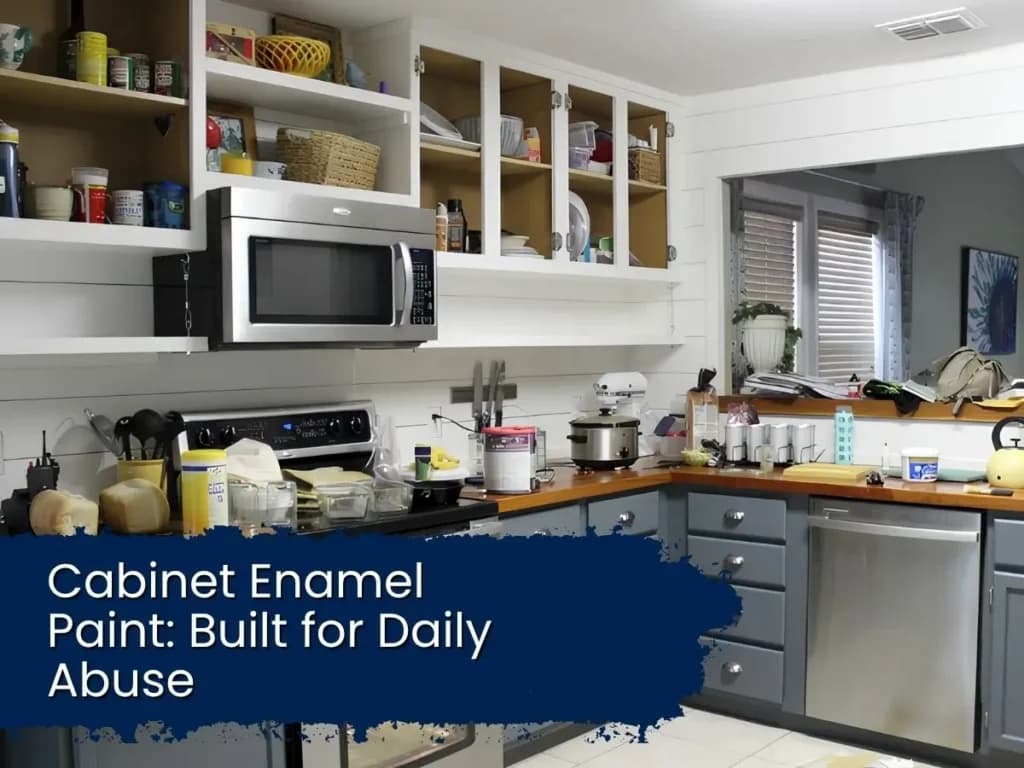
Cabinets aren't walls. They're touched, wiped, bumped, and cleaned constantly. That's why cabinet enamel paint exists.
* Creates a tough, washable surface * Resists stains, grease, and moisture * Holds its sheen over time
That slightly glossy look you see in high-end kitchens? That's enamel doing its job. It's not just about aesthetics. It's protection.
Prep Work: Where Most People Get It Wrong
You can buy the best oil-based paint on the market and still end up with peeling cabinets. Why? Poor prep.
* Remove doors and hardware completely * Clean off grease, especially near handles and stoves * Light sanding helps paint grip properly * Use a bonding or oil-based primer
Choosing the right primer matters as much as the paint itself. Oil-based primers like Zinsser Cover-Stain or KILZ Original are common picks for cabinet work because they block stains, seal in old finishes, and give oil-based topcoats something reliable to grip, especially over glossy factory finishes that plain paint would slide right off of.
Skipping prep is like painting over dust and hoping for magic. It might look fine for a week. Then it starts failing quietly.
Expert Reviews: Best Oil-Based Paint for Cabinets
Professionals don't just pick paint, they pick performance. These are some of the most trusted options used in real cabinet projects.
Benjamin Moore Advance (Alkyd)
A favorite for smooth finishes without the harsh feel of traditional oil.
* Self-leveling reduces brush marks * Lower odor compared to classic oil paints * Ideal for detailed cabinet work
Painters often say this paint "forgives mistakes." It smooths itself out even if your technique isn't perfect.
Sherwin-Williams ProClassic Alkyd Enamel
Built for durability in busy homes.
* Hard, furniture-like finish * Strong adhesion with proper prep * Holds up against scratches and daily wear
This is the kind of paint used when cabinets take a beating and still need to look sharp years later.
Rust-Oleum Cabinet Transformations
More beginner-friendly and budget-conscious.
* Comes as a complete system * Good for quick updates * Less technical skill required
It's a solid starting point, but most professionals still prefer separate primer and enamel systems for long-term results.
Pro Tips That Change Everything
This is the difference between a decent job and one that makes people ask who did your cabinets.
Don't trust "clean-looking" cabinets
Grease builds up invisibly. Always degrease before sanding or painting.
Use primer like a pro
Paint sticks better to primer than raw wood or old coatings. Skipping it shortens the lifespan.
Spraying vs brushing
* Spraying gives that ultra-smooth, factory finish * Brushing works, but requires patience and technique
That flawless look you see in portfolios? Most of the time, it's sprayed.
**Slow drying is your friend**
Oil-based paints take longer to dry, which allows the surface to level out. That's how you avoid streaks.
Conditions matter more than you think
* Ideal temperature: 50–85°F * High humidity slows curing and affects finish
Professionals plan around this. DIYers usually learn the hard way.
Quick Buyer's Checklist
Before choosing your paint, pause and think:
* Need long-term durability? Go oil-based or alkyd * Want less odor? Choose alkyd * Doing it yourself or hiring pros? * Want a smooth, factory finish or just a refresh?
A few minutes of clarity here can save you from redoing the entire project later.
Tips for a Smooth Oil-Based Cabinet Finish
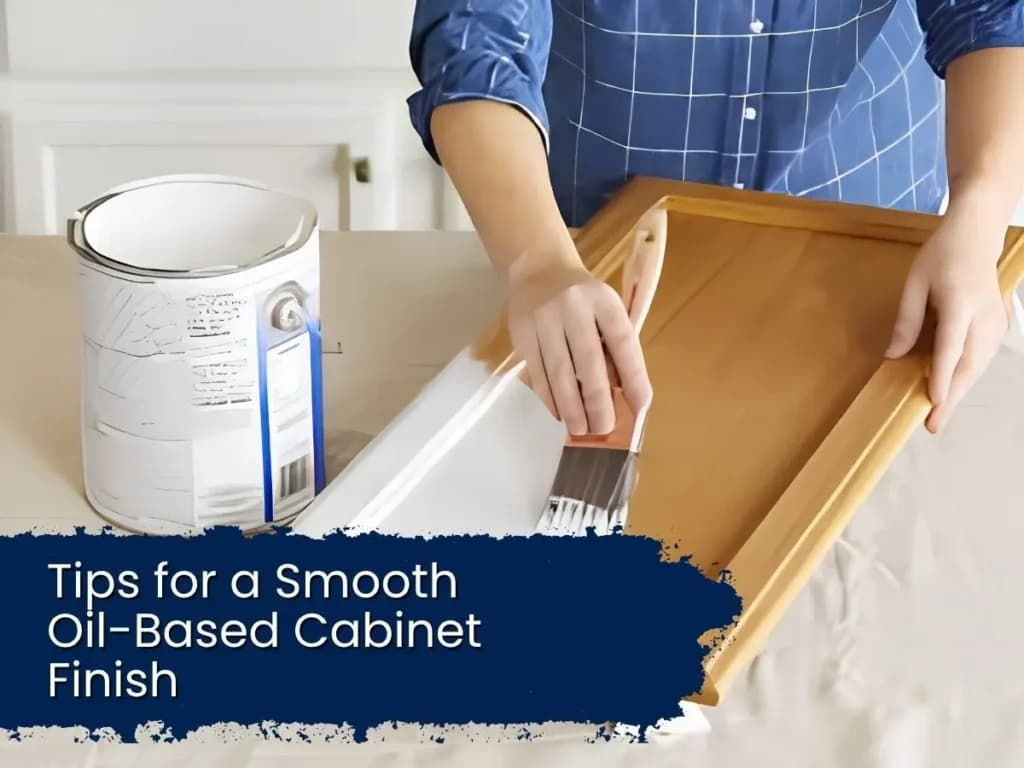
* Apply thin coats instead of thick layers * Let each coat dry fully before adding another * Sand lightly between coats for better bonding * Keep airflow steady during the process
Painting cabinets isn't just work. It's layering precision. Every step builds on the last.
Why Choose Swift Painting LLC
When it comes to transforming cabinets, experience matters. Swift Painting LLC has been serving Baton Rouge and the surrounding areas for over 7 years, delivering professional results without the headache.
Here's what sets them apart:
* Upfront Pricing: No surprises, just honest estimates. * Expert Team: Licensed, insured, and meticulous painters. * Flexible Scheduling: Projects planned around your convenience. * Color Consultation: Help selecting the perfect shade for your kitchen or bathroom. * Client-Centric Service: Every step designed to minimize stress and maximize satisfaction.
Choosing Swift Painting isn't just about paint, it's about falling back in love with your home, without compromise.
Conclusion
Choosing the best oil-based paint for cabinets is more than a cosmetic decision, it's an investment in durability, beauty, and peace of mind. Whether you use traditional oil, modern alkyd, or high-gloss cabinet enamel, the results can completely transform your space. Careful prep, thin coats, and attention to detail will ensure your cabinets remain the envy of every guest.
Ready to elevate your home? Trust Swift Painting LLC to deliver flawless, professional cabinet finishes in Baton Rouge and beyond. Contact us today for a free color consultation and quote, and let's bring your vision to life!
Request Your Free Quote Now – Your Dream Cabinets Are Just a Brush Away!
What is the best oil-based paint for cabinets?
High-quality alkyd or enamel paints from trusted brands like Benjamin Moore, Sherwin-Williams, or Rust-Oleum provide the most durable, smooth finishes. Look for "cabinet-grade" or "enamel" labeling.
Can I use oil-based paint over latex cabinets?
Yes, but thorough sanding and priming are essential to ensure adhesion. Without prep, the new paint may peel or blister.
How many coats of oil-based paint do cabinets need?
Typically, 2–3 thin coats are ideal. Light sanding between coats helps achieve a smooth, professional finish.
Is oil-based paint safe for kitchens with children?
Once fully cured (usually 7–10 days), oil-based paints are safe. Ventilate during application to reduce fumes.
Can I switch from oil to latex for cabinets later?
Yes, but it requires proper sanding and a compatible primer to prevent peeling or cracking.
Ready to Transform Your Home?
Whether you need exterior repainting, interior transformations, or custom cabinet spray refinishing, Swift Painting LLC delivers flawless results engineered for Louisiana homes.
Contact our expert team today for your free written proposal.