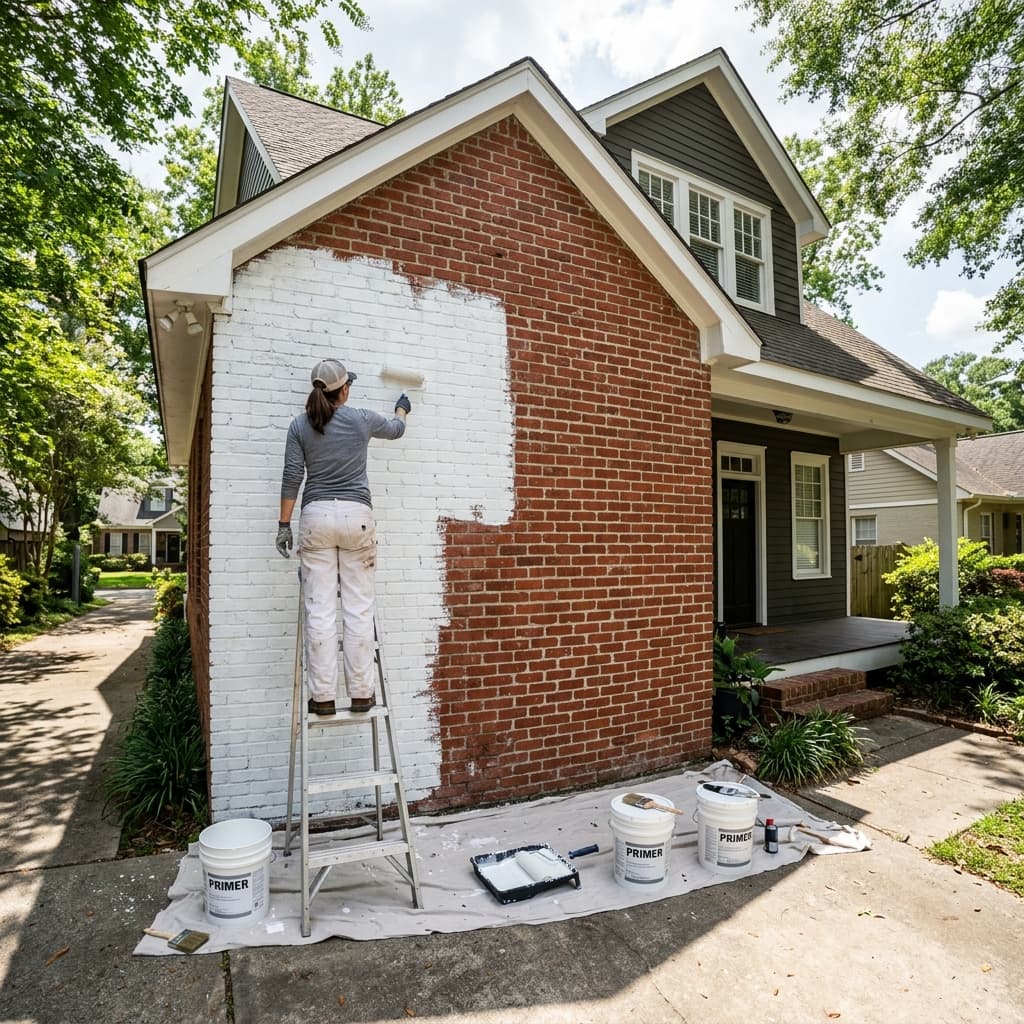

Your deck isn't just a platform for summer barbecues or morning coffees, it's the stage for memories, laughter, and quiet reflection. But a dull, weathered deck can feel like a betrayal of those moments. Picking the best stain for decks that can last years isn't just about color; it's about protection, longevity, and enhancing the natural beauty of your wood. Let's break it down in a way that even a weekend DIYer can follow.
Key Takeaways
Thorough surface preparation is essential before painting in South Louisiana.
Always verify licensing, workers comp, and general liability insurance before hiring.
Consult with Swift Painting LLC for expert Sherwin-Williams color matching.
Understanding How to Choose Deck Stain
Choosing the right deck stain can feel like navigating a maze. There are countless formulas, finishes, and colors on the market. Here's what you should consider:
Transparency Level: Deck stains range from transparent to semi-transparent to solid. Transparent stains highlight the natural grain, while solid stains offer stronger UV protection and hide imperfections. - Wood Type: Softwoods like pine absorb stains differently than hardwoods like ipe or cedar. Hardwood often needs a penetrating stain for durability, while softwood may need multiple coats. - Finish & Texture: Some stains offer a satin or matte finish, giving a subtle glow, while others provide a glossy, mirror-like shine. Think about your deck style and how it fits your home's aesthetic.
Homeowners comparing options will run into a handful of brands again and again, including Behr, Cabot, Armor All, and Sherwin-Williams. Each offers transparent, semi-transparent, and solid formulas at different price points, so the "best brand" question usually comes down to matching the product's transparency level and UV protection to your specific wood type and climate rather than picking a single universal winner.
According to research from the *Journal of Coatings Technology*, "semi-transparent stains often strike the perfect balance between beauty and UV" safeguarding. They allow the wood to breathe while shielding it from sun damage.
Preparing a Deck for Staining

You can have the fanciest stain, but if your deck isn't prepped properly, it's like painting on sand. Preparation is everything.
1. Cleaning: Power wash or scrub away dirt, mold, and old peeling stain with a dedicated deck cleaner. Chemicals like oxygen bleach can remove stubborn mildew without harming the wood. 2. Sanding: Smooth rough patches and remove splinters. Uneven surfaces can make the stain blotchy. 3. Repairing: Replace loose or rotting boards, tighten screws, and fill cracks. The more stable your deck, the longer the stain lasts. 4. Drying: Wood needs to be bone dry before staining. Moisture traps stain and promotes peeling.
Proper preparation is scientifically essential. Moisture levels above 15% can prevent stain adhesion, leading to premature failure.
Deck Stain Longevity Tips
A deck's beauty can fade fast if you don't care for it properly. Here's how to extend the life of your stain:
Apply stain during dry weather and moderate temperatures. Avoid extreme heat or rain. - Reapply every 2-3 years for semi-transparent stains, or every 3-5 years for solid stains. - Clean your deck regularly and remove debris that can trap moisture. - Use UV-protective finishes to reduce sun damage and fading. - Consider a high-quality oil-based stain for deep penetration and durability.
By following these tips, you can maintain a deck that looks new while reducing the need for costly replacements.
Effects of Weather on Deck Stain
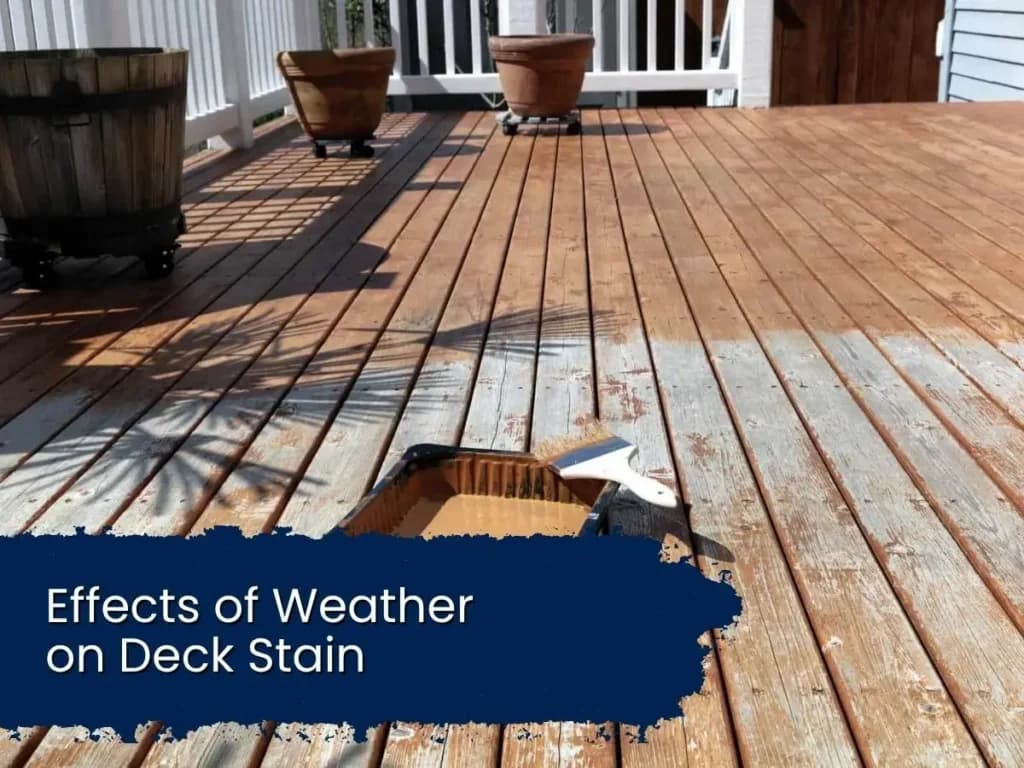
The weather is both your deck's best friend and worst enemy. Sun, rain, snow, and humidity can all chip away at your wood's charm.
Sunlight: UV rays break down wood fibers, causing fading and splintering. A stain with UV blockers prevents this. - Rain & Moisture: Water can seep into cracks and cause rot. Solid or semi-solid stains seal the wood, repelling water. - Temperature Fluctuations: Wood expands and contracts with heat and cold, which can cause cracks in the stain. Flexible formulas help accommodate these changes.
Think of your deck as a living organism. It swells, shrinks, and reacts to its environment. A carefully chosen stain can act like sunscreen, raincoat, and armor, all in one.
Common Deck Staining Mistakes
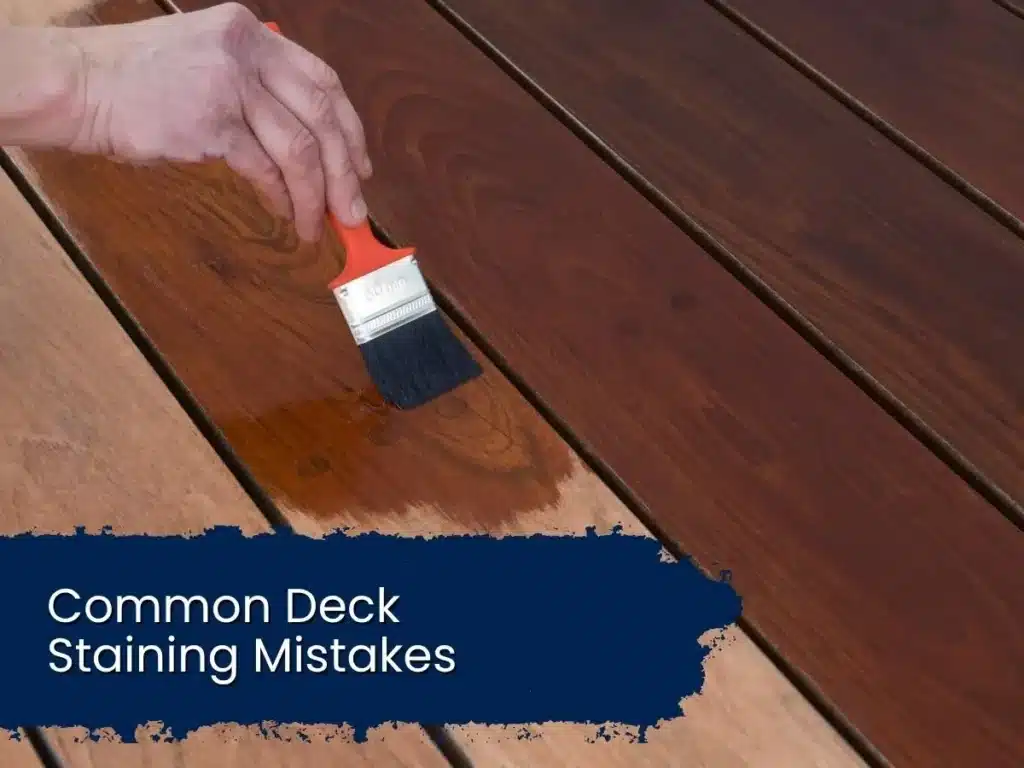
Even seasoned DIYers can fall into these traps:
Skipping Prep Work: Staining over dirt, old finish, or moisture leads to uneven results. - Choosing the Wrong Stain Type: Using a solid stain where you wanted natural grain or a transparent one where UV protection is critical. - Ignoring Weather Conditions: Applying stain on a hot day or just before rain reduces adhesion. - Over-application: Too much stain can cause peeling or a sticky surface. - Neglecting Maintenance: Failing to clean and reapply regularly shortens the lifespan of your deck.
Avoiding these mistakes can save hundreds of dollars and countless headaches while keeping your deck looking flawless.
Why Choose Swift Painting LLC for Your Deck
At Swift Painting LLC, we understand that your deck is more than wood and nails; it's part of your home's story. Serving Baton Rouge and surrounding areas, our team offers:
Expertise: Years of experience in residential and commercial painting ensure top-notch results. - Upfront Pricing: No hidden fees or surprise costs. - Personalized Service: From color consultation to final walkthrough, we care about every detail. - Licensed & Insured: Peace of mind that your property is protected. - Brand Ambassador Program: Clients get perks, savings, and community recognition for trusting us.
Our approach combines science, artistry, and a love for homes that makes every deck a work of art.
Conclusion
Choosing the best stain for decks isn't just about picking a color; it's about investing in protection, longevity, and visual appeal. From proper prep to understanding weather effects and avoiding common mistakes, every step matters.
A well-stained deck invites memories, reflects care for your home, and can even elevate property value. Whether you want a soft, natural look or a bold, modern finish, the right stain paired with expert application makes all the difference.
Transform your deck into a space you'll love year-round with guidance from Swift Painting LLC, where craftsmanship, reliability, and love for homes meet.
---
Frequently Asked Questions
What is the best stain for decks in Louisiana's climate?
Semi-transparent or solid stains with UV protection are ideal. They resist sun fading, moisture, and temperature swings typical in Baton Rouge.
How often should I re-stain my deck?
Depending on the stain type, transparent stains are applied every 1-2 years, semi-transparent stains every 2-3 years, and solid stains every 3-5 years. Routine cleaning prolongs life.
Can I stain a deck myself, or should I hire professionals?
DIY is possible, but mistakes in prep, weather timing, or application can shorten lifespan. Hiring experts like Swift Painting ensures flawless results and time savings.
How do I prevent peeling or blotchy stains?
Ensure your deck is clean, dry, and sanded. Apply thin, even coats and follow manufacturer instructions. Avoid staining after rain or in extreme heat.
Can deck stain protect against mold and mildew?
Yes, stains with mildewcides and water repellents prevent mold growth. Regular cleaning enhances protection and keeps wood healthy.
Ready to Transform Your Home?
Whether you need exterior repainting, interior transformations, or custom cabinet spray refinishing, Swift Painting LLC delivers flawless results engineered for Louisiana homes.
Contact our expert team today for your free written proposal.