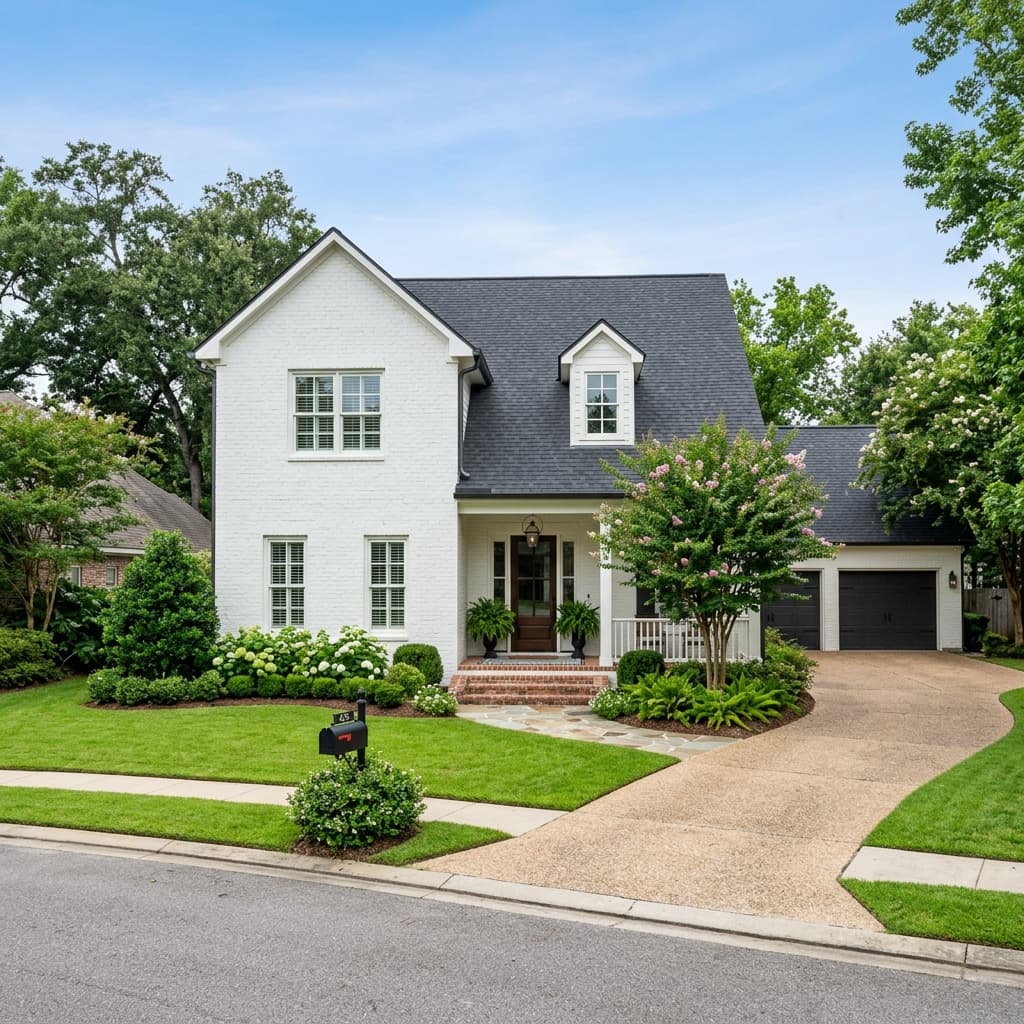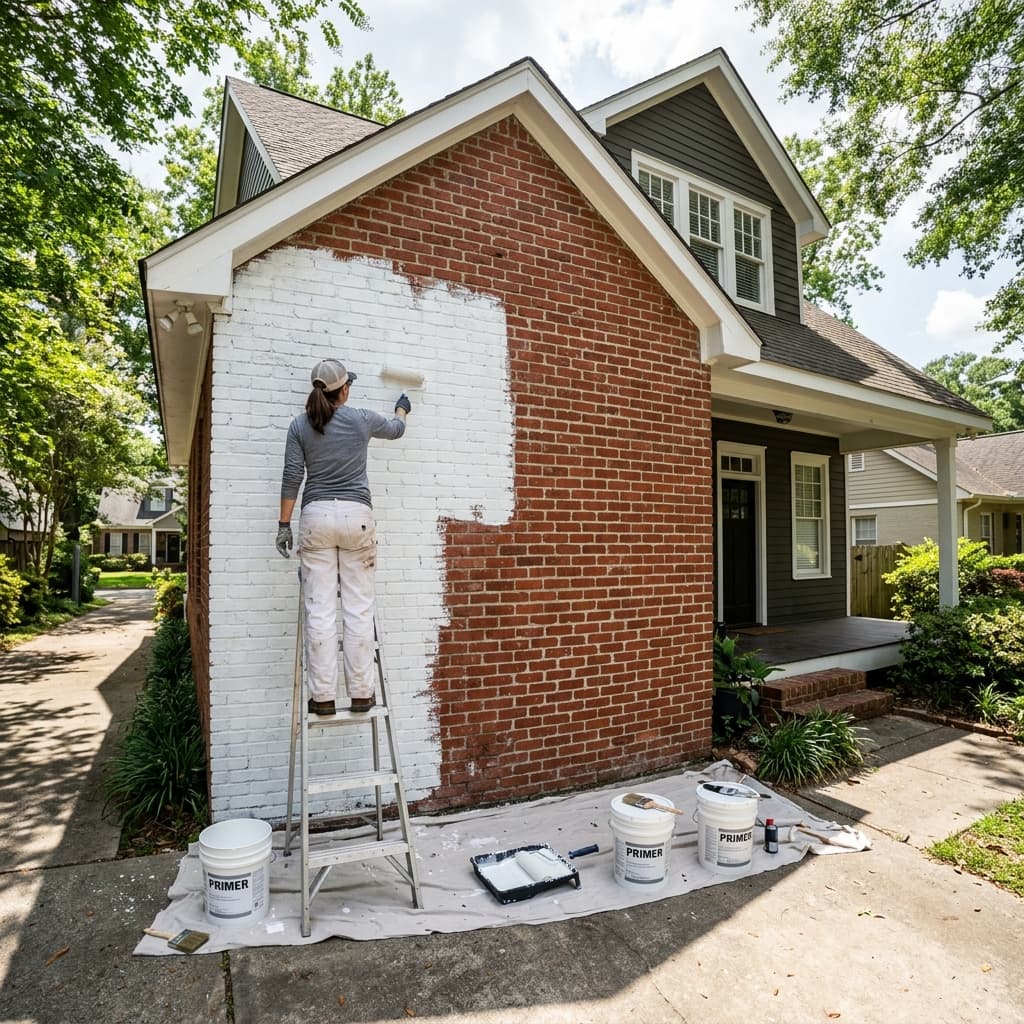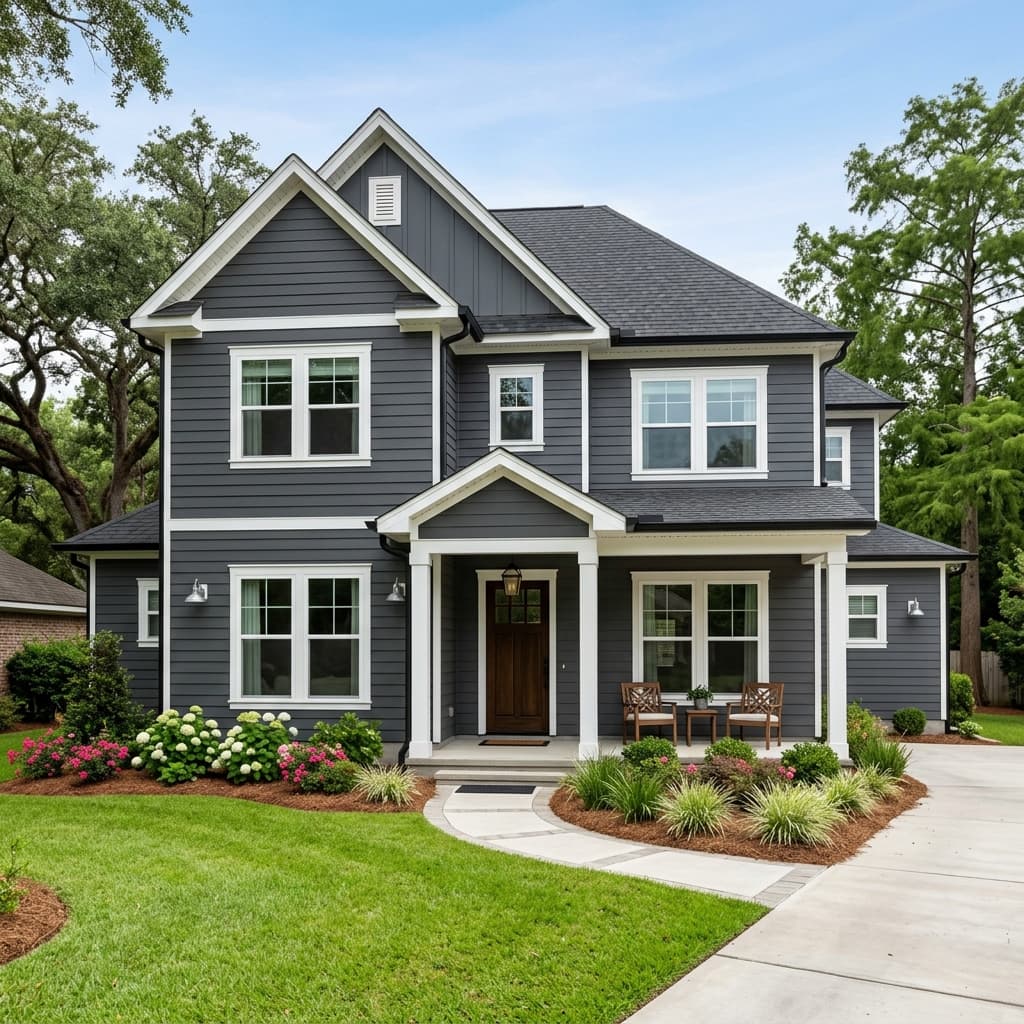
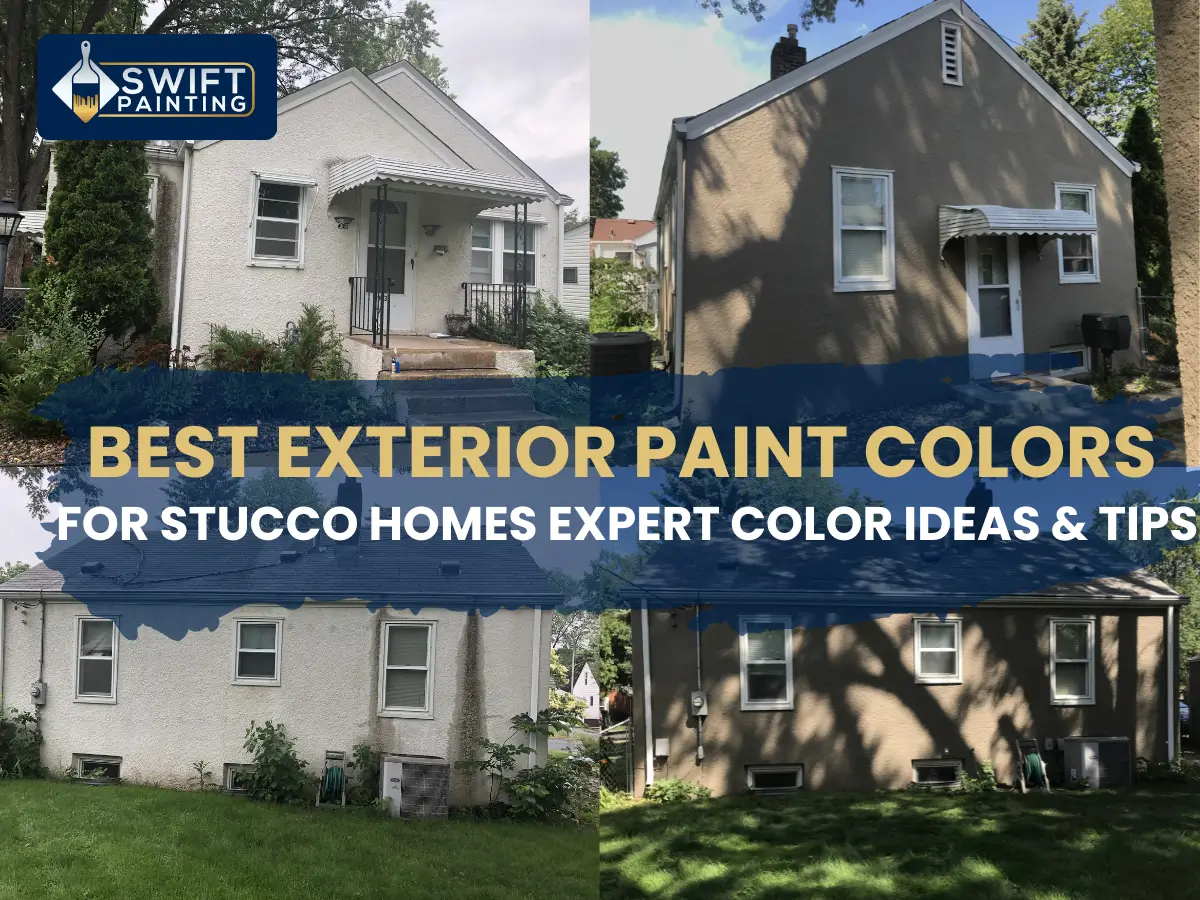
Choosing the right color for a stucco home can dramatically improve curb appeal, increase perceived home value, and help your exterior look attractive for years. The best exterior paint colors for stucco are typically warm whites, soft grays, greige tones, earthy beiges, and muted greens because they complement stucco's texture while remaining timeless and versatile. However, the ideal color also depends on your home's architectural style, climate, roof color, and surrounding landscape.
Unlike vinyl or wood siding, stucco has a textured surface that creates shadows and depth throughout the day. Because of this, paint colors often appear richer and more dynamic than they would on smoother materials. A color that looks subtle on a sample card may appear noticeably darker or warmer once applied to an entire stucco exterior.
Whether you're building a new home, updating faded paint, or planning a complete exterior makeover, understanding how color, paint type, and finish work together will help you make a smarter investment.
Key Takeaways
Thorough surface preparation is essential before painting in South Louisiana.
Always verify licensing, workers comp, and general liability insurance before hiring.
Consult with Swift Painting LLC for expert Sherwin-Williams color matching.
Why Stucco Homes Require a Different Approach to Color Selection
Stucco isn't just another exterior surface. Its texture naturally catches light differently, creating highlights and shadows that influence how paint colors appear.
Before it's ever painted, stucco's natural, cured color typically reads as a grayish tan or sandy off-white, since it's made from cement, sand, and lime rather than pigment-rich materials. That neutral starting point is actually part of why stucco takes paint so well: almost any warm white, gray, or beige reads as an intentional upgrade rather than a clash with the base material underneath.
This is why many homeowners are surprised when a color they loved in the store looks completely different after application. The rough texture amplifies undertones and can make dark colors appear deeper while giving lighter colors additional warmth.
When evaluating color options, consider the entire exterior design rather than focusing solely on the stucco. Roof shingles, trim color, stone accents, landscaping, and even neighboring homes can affect whether a color feels balanced or out of place.
A well-chosen stucco color should enhance the home's architecture instead of competing with it.
The Most Popular Stucco Exterior Paint Colors
Warm White
Warm white continues to be one of the safest and most versatile choices for stucco homes. Unlike bright white, which can sometimes appear harsh in direct sunlight, warm white contains subtle cream or beige undertones that soften the appearance of textured surfaces.
This color works exceptionally well on Mediterranean, Spanish, Modern Farmhouse, and Coastal-style homes. It also pairs beautifully with black windows, natural wood accents, and stone features.
Greige
Greige, a blend of gray and beige, has become one of the most requested exterior colors in recent years. It offers the modern appearance of gray without feeling cold or sterile.
Greige works across a wide range of architectural styles and tends to maintain strong resale appeal because it feels both contemporary and timeless.
Soft Gray
Soft gray creates a clean, sophisticated appearance while allowing architectural details to stand out. On stucco surfaces, gray often appears warmer than expected due to sunlight reflection and texture.
Homeowners seeking a modern exterior frequently choose light-to-medium gray paired with crisp white trim and dark accent colors.
Earthy Beige and Sand
Natural beige, sand, and taupe shades have remained popular for decades because they complement stucco exceptionally well. These colors blend naturally with landscaping and often hide dust better than brighter alternatives.
They are particularly common in warmer climates where earthy palettes feel appropriate year-round.
Muted Sage Green
For homeowners wanting something beyond traditional neutrals, sage green offers a subtle connection to nature while remaining highly versatile.
Unlike bold green shades, muted sage feels refined and works well alongside natural stone, wood elements, and mature landscaping.
Best Stucco Colors by Home Style
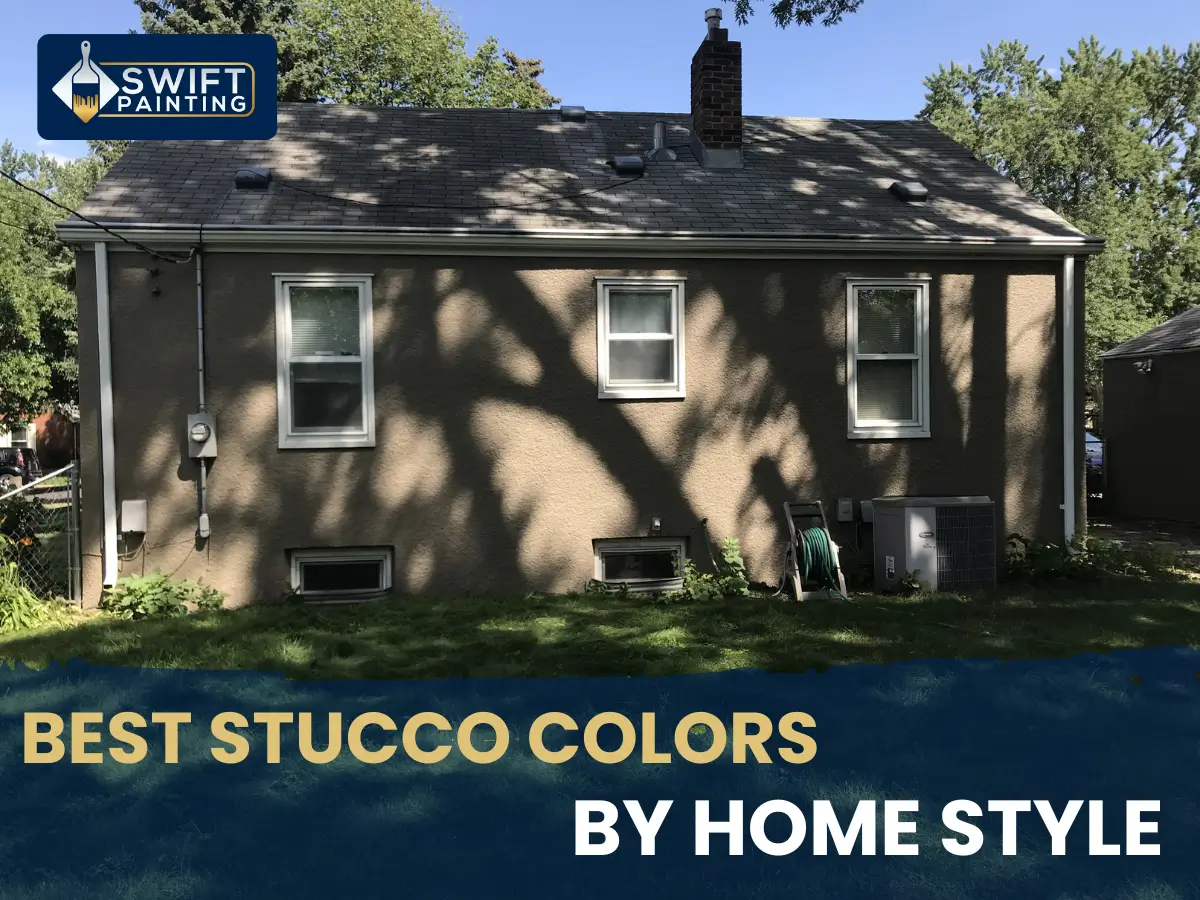
One of the biggest mistakes homeowners make is choosing a color based solely on current trends rather than architectural compatibility.
Spanish and Mediterranean Homes
Spanish and Mediterranean homes typically look best with warm white, creamy beige, sand, terracotta-inspired neutrals, and soft earth tones. These colors highlight the character and heritage of the architecture while complementing clay tile roofs.
Modern Homes
Modern stucco homes often benefit from clean, understated palettes. Soft gray, greige, warm white, and charcoal accents create a sleek appearance without overwhelming the design.
Ranch Homes
Ranch-style homes tend to perform well with beige, taupe, greige, and muted green tones. These colors provide warmth and help create a welcoming exterior.
Craftsman Homes
Craftsman architecture frequently pairs well with earth-inspired colors, including olive green, warm beige, taupe, and natural gray shades. These colors support the style's emphasis on natural materials and craftsmanship.
How Climate Affects Exterior Color Choices
The best color for a stucco home in Louisiana may not be the best choice for a home in Arizona or Colorado.
In hot climates, lighter colors generally perform better because they reflect more sunlight and absorb less heat. Warm whites, creams, and light grays are often practical choices for homes exposed to intense sun.
Humid environments require special attention to paint quality and maintenance. Dirt, mildew, and moisture exposure can influence how well certain colors age over time.
Homes located in heavily wooded areas may benefit from medium-tone colors that better conceal pollen, dust, and environmental staining.
Color Combinations That Consistently Look Great
Many homeowners focus entirely on the stucco color while overlooking how trim, doors, and accents contribute to the overall appearance.
Some of the most successful combinations include warm white stucco with black trim, greige stucco with white trim, beige stucco with bronze accents, and sage green stucco paired with natural wood features.
A balanced color palette creates visual interest without making the exterior appear busy or dated.
Instead of selecting colors independently, view your home's exterior as a complete design system where every element works together.
Common Color Mistakes Homeowners Make
One of the most common mistakes is choosing a color that looks appealing on a small sample but feels overwhelming on a full exterior.
Another frequent issue is ignoring roof color. Since the roof represents a significant portion of the home's visible exterior, it should influence paint selection.
Some homeowners also choose extremely trendy colors without considering long-term appeal. While bold colors may attract attention initially, neutral and balanced palettes generally maintain stronger resale value.
Failing to test colors in different lighting conditions is another costly mistake. A paint color can appear dramatically different during morning sunlight, afternoon brightness, and evening shade.
Taking the time to evaluate samples on multiple walls often prevents expensive repainting projects later.
Choosing the Best Exterior Paint for Stucco
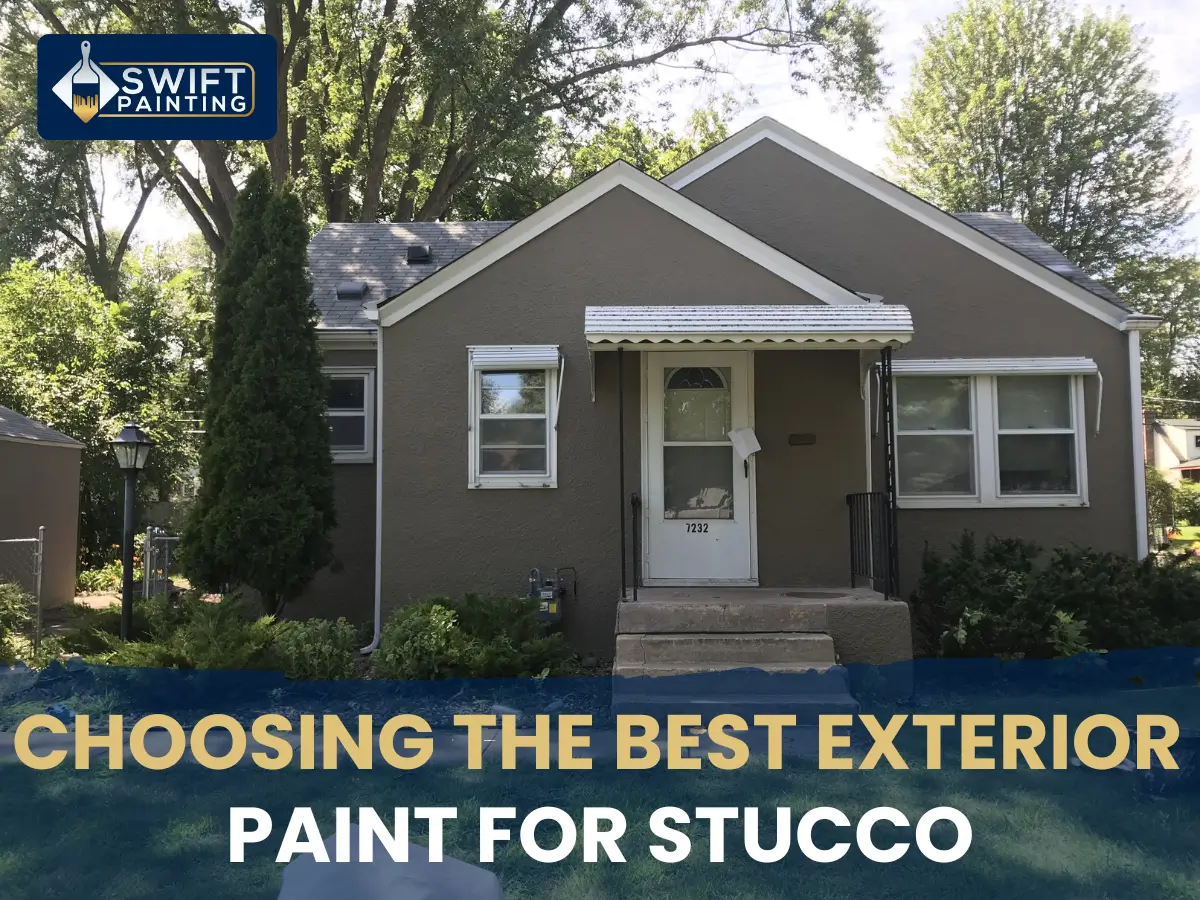
Color selection is only one part of a successful exterior project. The quality of the paint itself has a major impact on how long the finish lasts and how well it protects the stucco underneath.
The best exterior paint for stucco is typically a high-quality acrylic coating designed specifically for masonry surfaces. Stucco naturally expands and contracts as temperatures change, so the paint needs enough flexibility to move with the surface without cracking or peeling.
Acrylic products are popular because they offer strong adhesion, excellent weather resistance, UV protection, and breathability. These characteristics help reduce common problems such as blistering, fading, and premature coating failure.
Many professional painters recommend acrylic latex paint for stucco because it allows moisture vapor to escape while still providing a durable protective layer. This balance is important since trapped moisture can eventually lead to paint deterioration and surface damage.
For homeowners comparing products, manufacturers such as Benjamin Moore, Sherwin-Williams, and BEHR Paint Company offer exterior coatings specifically formulated for stucco and masonry applications.
Repainting a Stucco House: What Homeowners Should Know
A fresh coat of paint can dramatically improve the appearance of an older home, but repainting stucco house exteriors requires more than simply applying a new color.
Before painting begins, the surface should be carefully inspected for cracks, water intrusion, mildew, chalking, and loose material. Small hairline cracks are common in stucco and can often be repaired during preparation. Larger cracks or moisture-related issues should be addressed before any paint is applied.
Cleaning is another critical step. Dirt, pollen, mildew, and environmental contaminants can prevent proper adhesion if left on the surface. Professional preparation often includes pressure washing, repairs, caulking, and priming where necessary.
Skipping preparation may save time initially, but it often shortens the lifespan of the finished paint job.
Painting Stucco Pros and Cons
Homeowners frequently ask whether painting stucco is worth the investment. The answer depends on the condition of the home, the quality of materials used, and long-term maintenance expectations.
One of the biggest advantages is improved curb appeal. A new paint color can completely transform an outdated exterior and make the property look newer and more attractive.
Paint also provides an additional layer of protection against weather exposure and UV damage. When properly applied, quality coatings help preserve the stucco surface and extend its lifespan.
However, there are also considerations when evaluating painting stucco pros and cons. Once stucco is painted, periodic repainting becomes part of the home's maintenance cycle. Natural stucco finishes may require less cosmetic upkeep than painted surfaces.
Moisture management is another factor. Using the wrong coating can restrict breathability and potentially create problems over time. This is why selecting products designed for stucco applications is so important.
For many homeowners, the aesthetic benefits and protective advantages outweigh the maintenance requirements, especially when the work is performed correctly.
The Best Paint Finish for Stucco
While color often receives most of the attention, paint finish can significantly influence the final appearance.
Flat and low-luster finishes remain among the most popular choices for stucco homes because they minimize surface imperfections and complement the natural texture of the material.
Satin finishes can provide additional washability and durability, but they may also highlight imperfections more than flatter finishes.
For most residential stucco exteriors, a low-sheen finish strikes a good balance between appearance, durability, and maintenance.
How Long Does Stucco Paint Last?
The lifespan of an exterior coating depends on several factors, including climate, paint quality, preparation, and ongoing maintenance.
A professionally applied paint system can often last between seven and fifteen years. Homes exposed to intense sunlight, coastal conditions, or severe weather may require more frequent repainting.
Regular inspections help identify small issues before they become costly repairs. Addressing cracks promptly and keeping gutters functioning properly can significantly extend the life of the coating.
According to resources from the U.S. Environmental Protection Agency (EPA), "controlling moisture around building materials is one of the most important factors in preserving exterior surfaces and coatings."
Expert Tips for a Longer-Lasting Stucco Paint Job
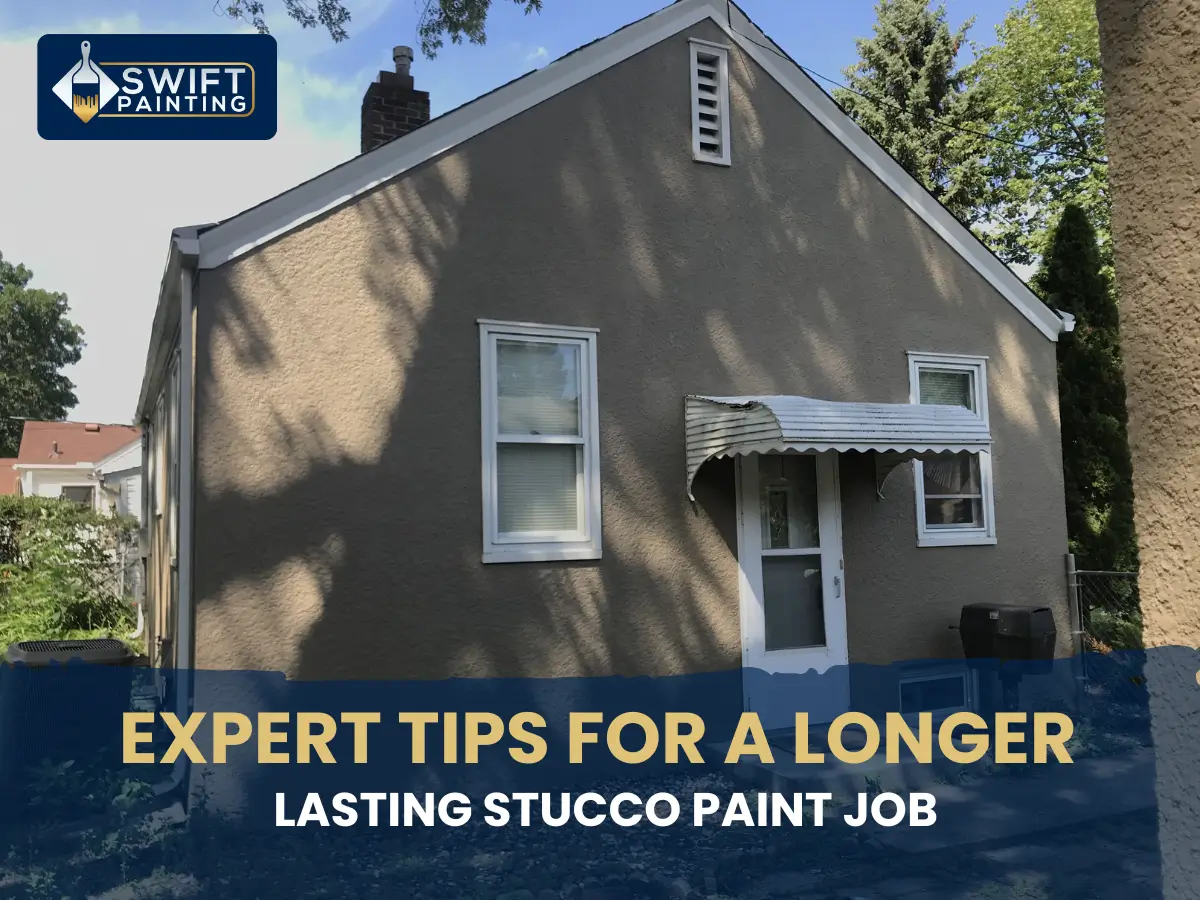
The most successful stucco painting projects begin long before the first coat is applied.
Testing colors directly on the home provides a more accurate representation than relying on paint chips alone. Observing samples during different times of day helps reveal how lighting affects the final appearance.
Investing in premium paint products usually pays off over time through improved durability and color retention. Higher-quality coatings generally resist fading, cracking, and weather-related wear more effectively.
Proper preparation is equally important. Surface cleaning, crack repair, caulking, and priming create the foundation for a finish that lasts.
Finally, choosing timeless colors often proves more beneficial than chasing short-lived trends. Neutral palettes tend to remain attractive longer and appeal to a broader range of future buyers.
Why Professional Guidance Can Make a Difference
Selecting colors, evaluating paint products, and preparing stucco correctly can feel overwhelming for many homeowners.
Working with experienced professionals helps simplify the decision-making process while reducing the risk of costly mistakes. From identifying the right paint system to recommending colors that complement the home's architecture, professional insight often leads to better long-term results.
At Swift Painting LLC, homeowners frequently seek assistance not only with painting services but also with color selection, product recommendations, and maintenance planning. Understanding how stucco behaves in different environments allows painting professionals to recommend solutions that balance appearance, durability, and long-term value.
Final Thoughts
The best exterior paint colors for stucco homes combine timeless style with practical performance. Warm whites, greige tones, soft grays, earthy beiges, and muted greens continue to be popular because they complement stucco's texture and adapt well to different architectural styles.
However, choosing the right color is only part of the equation. Paint quality, preparation, climate conditions, and proper application all influence how well the finished project performs over time.
By selecting a color that fits your home's design, using high-quality acrylic coatings, and investing in proper preparation, you can create an exterior that looks beautiful and remains protected for years. Whether you're updating a faded finish or planning a complete transformation, taking a thoughtful approach will help you achieve lasting results and maximize curb appeal.
Frequently Asked Questions
What is the most popular stucco exterior color?
Warm white remains one of the most popular choices because it complements a wide range of architectural styles and creates a clean, timeless appearance.
Is acrylic latex paint good for stucco?
Yes. "Acrylic latex paint for stucco offers strong adhesion, flexibility, weather resistance, and breathability, making it one of the most commonly recommended options."
What color makes a stucco house look bigger?
Lighter colors such as warm white, light beige, and soft gray can make a home appear larger by reflecting more light and creating a more open visual effect.
How often should stucco be repainted?
Most stucco homes require repainting every seven to fifteen years, depending on environmental conditions, paint quality, and maintenance practices.
Should stucco be painted flat or satin?
Flat and low-luster finishes are generally preferred because they help conceal imperfections and complement the natural texture of stucco surfaces.
Do dark colors work on stucco homes?
Dark colors can create a striking appearance, but they absorb more heat and may fade faster in areas with intense sun exposure.
Does painting stucco increase home value?
A well-maintained and professionally painted exterior can improve curb appeal, enhance first impressions, and contribute positively to overall property value.
Ready to Transform Your Home?
Whether you need exterior repainting, interior transformations, or custom cabinet spray refinishing, Swift Painting LLC delivers flawless results engineered for Louisiana homes.
Contact our expert team today for your free written proposal.